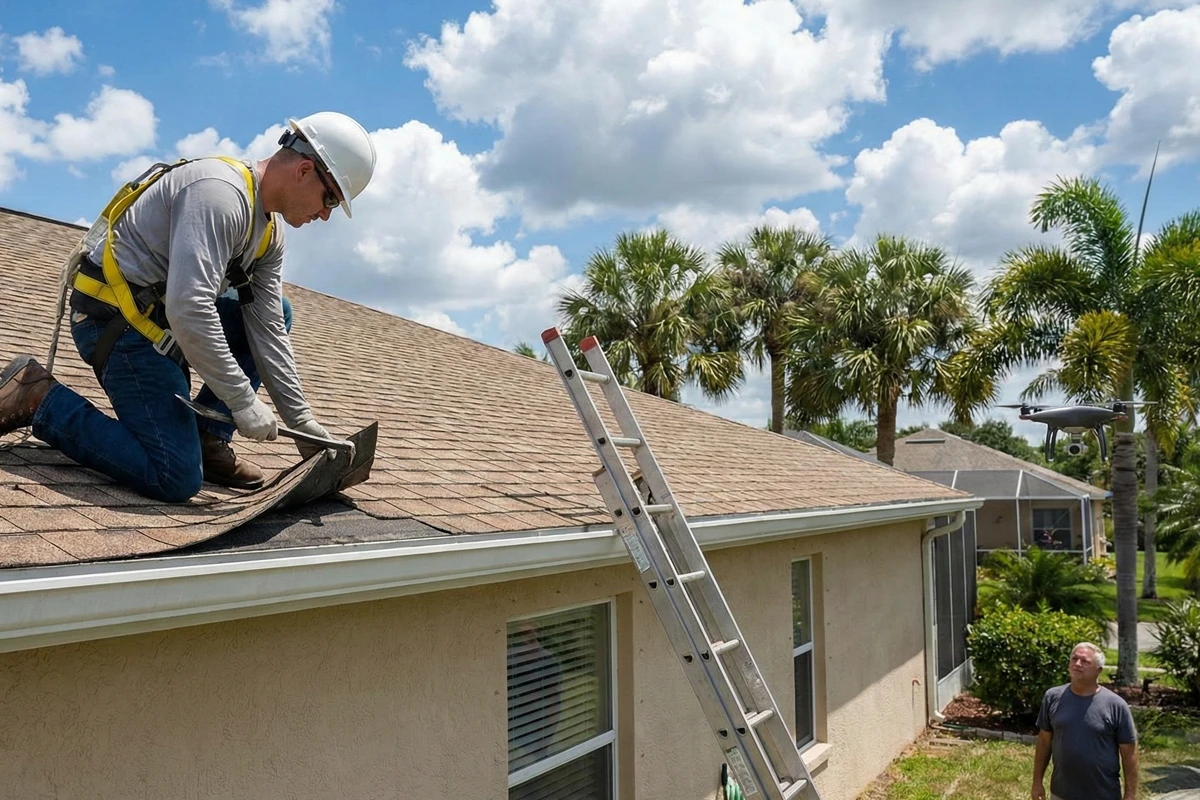
A roof inspection in Florida is not just a formality. Due to intense sun exposure, high humidity, heavy rain, and frequent hurricanes, roofs in Florida deteriorate faster than in many other states. Many homeowners assume inspections are only necessary after visible leaks, but in reality, regular inspections are one of the most effective ways to prevent major structural damage and unexpected expenses.
Understanding what happens during a roof inspection allows homeowners to plan repairs, protect property value, and make informed decisions before problems escalate.
Why Roof Inspections Are Essential in Florida
Florida’s climate creates constant stress on roofing systems. UV radiation weakens materials, moisture promotes deterioration, and strong winds test structural integrity year-round.
A professional roof inspection helps:
- Detect early signs of damage
- Prevent water intrusion and mold
- Extend roof lifespan
- Reduce long-term repair costs
Preventive inspections are significantly more cost-effective than emergency repairs after a storm or major failure.
When Should Homeowners Schedule a Roof Inspection?
Scheduling a roof inspection at the right time can save thousands of dollars. In Florida, inspections are especially recommended:
- Before buying a home, to avoid hidden issues
- Before selling a home, to prevent inspection objections
- After hurricanes or severe storms, even if no damage is visible
- When a roof reaches 10–15 years of age, depending on material
- When required by insurance providers
Regular inspections provide peace of mind and documentation when dealing with insurers or real estate transactions.
What Does a Roof Inspection in Florida Include?
Exterior Roof Assessment
Inspectors evaluate:
- Shingles, tiles, or metal panels
- Flashing around chimneys and vents
- Signs of wind uplift or storm impact
Structural and Decking Evaluation
This step focuses on:
- Sagging or uneven areas
- Soft spots indicating moisture damage
- Overall structural stability
Attic and Interior Inspection
Interior evaluation often reveals hidden problems, including:
- Water stains or active leaks
- Mold or moisture buildup
- Poor ventilation contributing to deterioration
Common Roofing Problems Found in Florida Homes
Roof inspections frequently uncover issues such as:
- Wind-damaged shingles or tiles
- Water intrusion from flashing failures
- UV-related material breakdown
- Improper installation from previous work
- Aging materials nearing the end of their lifespan
Early detection prevents small problems from becoming major repairs.
Roof Inspection vs Roof Repair: What Happens Next?
After the inspection, homeowners receive a report outlining findings and recommendations. Depending on the results:
- Minor issues may only require targeted repairs
- Moderate wear may call for maintenance planning
- Severe damage could indicate the need for replacement
Understanding the inspection results helps homeowners choose the most cost-effective and long-term solution.
How Long Does a Roof Inspection Take?
Most roof inspections in Florida take:
- 45 to 90 minutes for standard homes
- Longer for larger or complex roofing systems
Inspection time varies based on roof size, material, accessibility, and weather conditions.
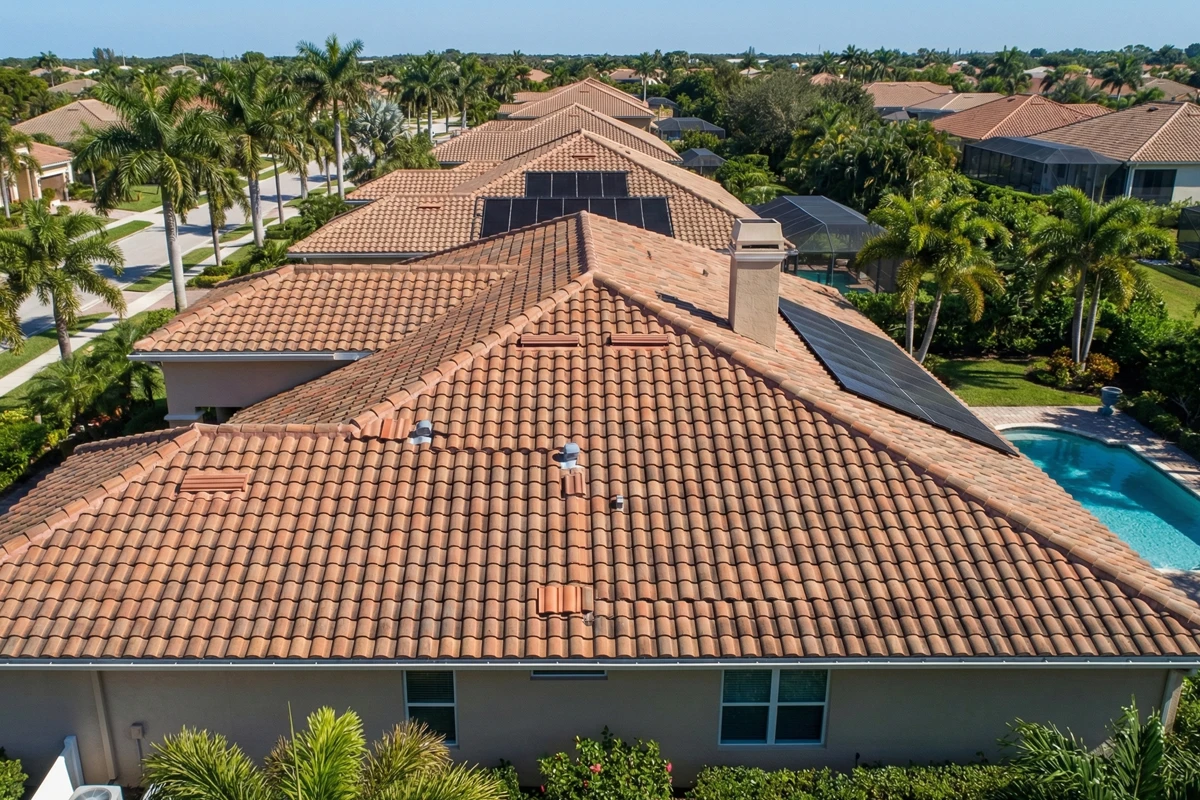
Roof Inspection in Florida: What Homeowners Should Expect
Roof Inspection Costs in Florida
The average cost of a roof inspection depends on:
- Roof size and complexity
- Inspection depth
- Location and accessibility
While prices vary, inspections are a small investment compared to the cost of major roof repairs or replacements.
Roof Inspections and Real Estate Transactions in Florida
Roof inspections play a major role in Florida real estate transactions. Buyers want assurance, sellers want smoother closings, and insurers require documentation.
A clean inspection report can:
- Speed up negotiations
- Reduce price concessions
- Prevent last-minute deal delays
This makes inspections essential for both homeowners and real estate professionals.
Florida Roofing Standards and Professional Solutions
Florida’s roofing systems must comply with the Florida Building Code, which sets strict standards for wind resistance and installation methods. Industry best practices outlined by the National Roofing Contractors Association (NRCA) also help ensure durability and safety.
Homeowners should stay informed about storm risks through the Florida Division of Emergency Management, especially during hurricane season.
Roof issues often extend beyond the exterior. Leaks and moisture can damage ceilings, walls, and finishes, which is why working with experienced home remodeling contractors in Florida helps address both roofing concerns and related interior repairs. For sellers and agents, coordinated pre-sale home improvements or full home renovations in Florida can protect property value and simplify transactions.
Common Mistakes Homeowners Make with Roof Inspections
- Waiting until visible leaks appear
- Ignoring small warning signs
- Hiring unqualified inspectors
- Skipping inspections after storms
Avoiding these mistakes helps preserve roof performance and home safety.
Frequently Asked Questions About Roof Inspections in Florida
How often should roofs be inspected in Florida?
At least once a year and after major storms.
Are roof inspection in Florida required for insurance?
Many insurers require inspections, especially for older roofs.
Can inspections detect hidden leaks?
Yes, especially through attic and moisture assessments.
Do I need an inspection after every storm?
After severe storms or hurricanes, inspections are strongly recommended.
Conclusion
A roof inspection in Florida is a proactive step that protects your home, reduces risk, and supports smarter financial decisions. Whether you’re maintaining your property, preparing to sell, or recovering from a storm, regular inspections help avoid costly surprises and extend roof lifespan.
If you want to understand the condition of your roof and plan the next steps with confidence, request a professional roof inspection or evaluation today.
👉 Request a professional evaluation today and get expert guidance tailored to your Florida property.