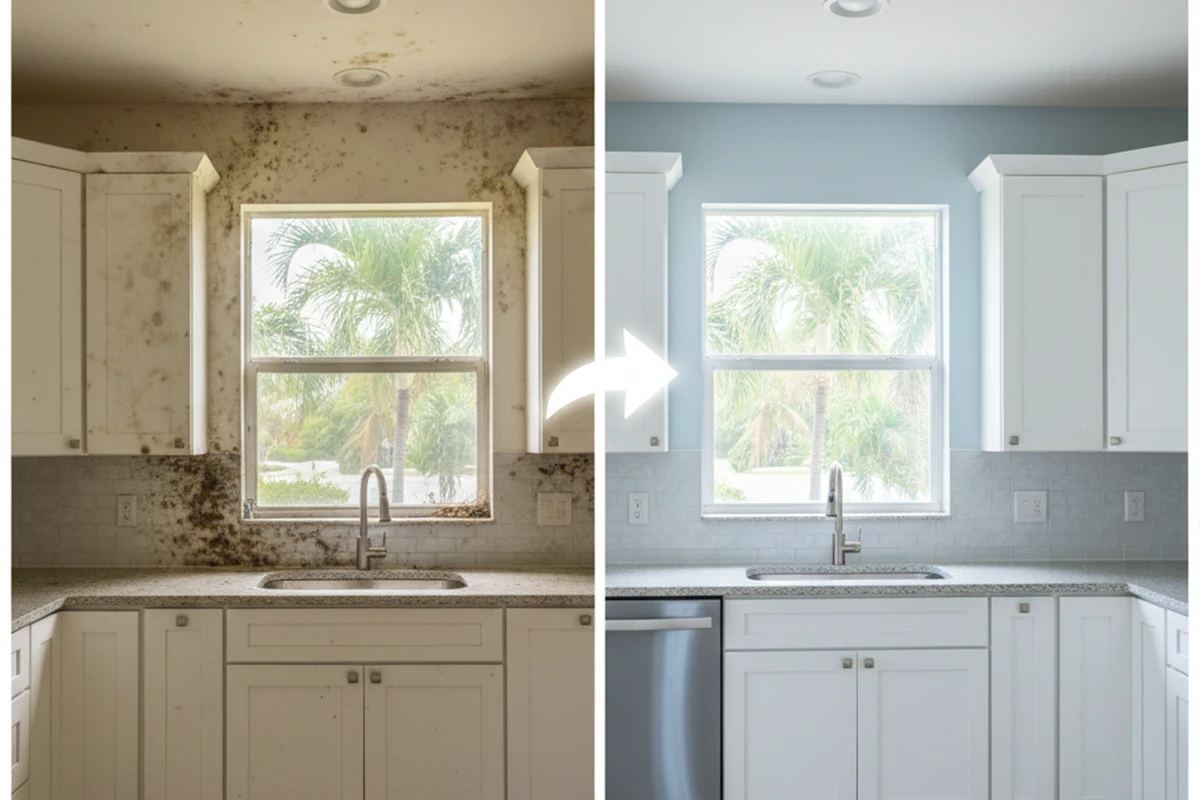
Completing a mold remediation process is a critical step for any Florida homeowner. However, remediation alone does not guarantee the problem will not return. Due to Florida’s high humidity, frequent storms, and warm temperatures, mold can easily reappear if preventive measures are not taken. Understanding how to prevent mold growth after remediation in Florida homes is essential to protect your investment, your health, and your indoor air quality.
This guide explains why mold comes back, what homeowners should do after remediation, and which home improvements truly make a long-term difference.
Why Mold Often Returns After Remediation in Florida
Mold remediation removes existing contamination, but it does not automatically eliminate the conditions that caused mold in the first place.
Hidden Moisture Is the Main Culprit
In Florida homes, moisture often remains hidden behind:
- Drywall
- Flooring
- Cabinets
- Insulation
- HVAC components
If moisture is not fully addressed, mold spores can become active again within weeks.
Florida’s Climate Accelerates Regrowth
Florida’s climate creates ideal conditions for mold:
- High year-round humidity
- Heavy rain and tropical storms
- Warm indoor temperatures
According to the EPA, mold thrives in environments with excess moisture and limited ventilation.
Key Steps to Prevent Mold Growth After Remediation
Control Indoor Humidity Levels
Maintaining proper humidity is one of the most effective prevention strategies.
Recommended indoor humidity:
- Between 30% and 50%
Ways to control humidity:
- Use dehumidifiers in high-risk areas
- Maintain HVAC systems regularly
- Avoid turning off air conditioning for long periods
High humidity alone can restart mold growth even without visible leaks.
Fix Moisture Problems at the Source
Preventing mold growth after remediation in Florida homes requires addressing moisture permanently.
Common sources include:
- Roof leaks
- Window and door seals
- Plumbing connections
- Poor drainage around foundations
Ignoring minor leaks often leads to major remediation costs later.
Improve Ventilation in Moisture-Prone Areas
Poor ventilation traps moisture indoors.
Focus on:
- Bathrooms (exhaust fans)
- Kitchens (range hoods)
- Laundry rooms
- Attics and crawl spaces
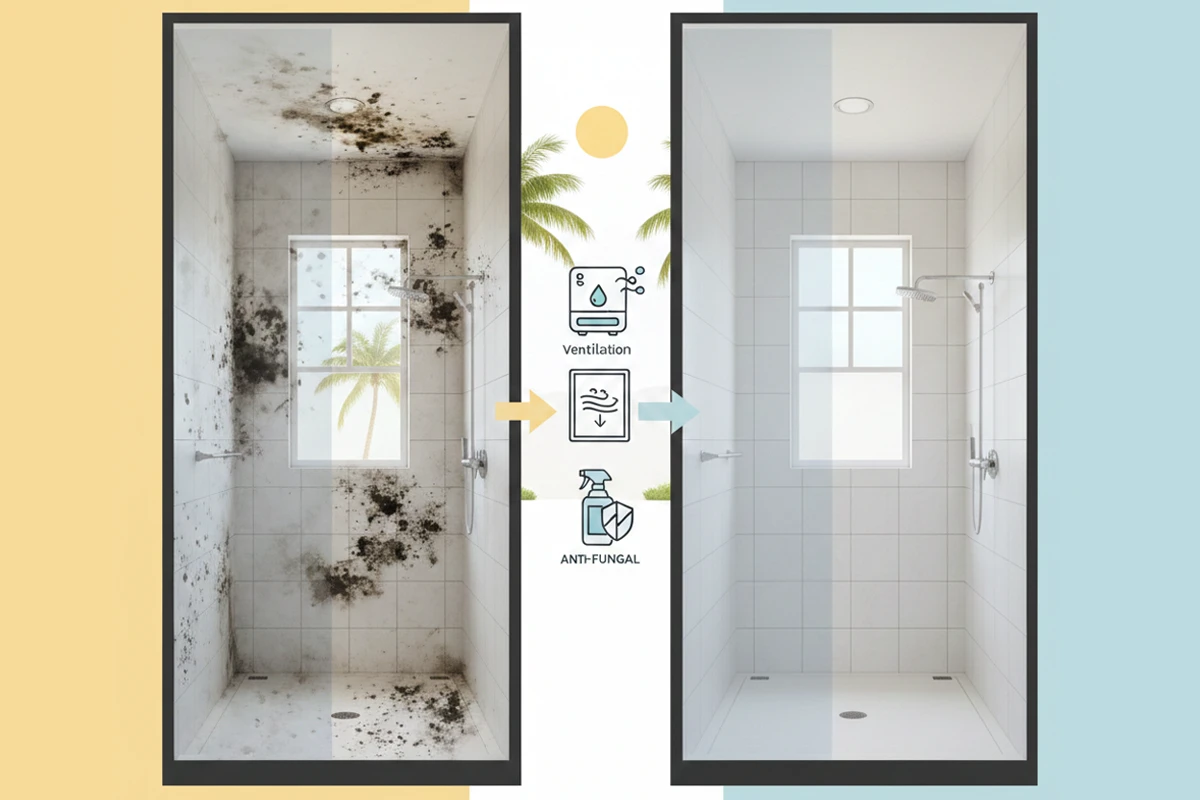
Ventilation upgrades significantly reduce condensation and moisture buildup.
Post-Remediation Home Improvements That Make a Difference
In many cases, preventing mold growth after remediation in Florida homes requires targeted remodeling.
Effective improvements include:
- Replacing moisture-damaged drywall
- Installing mold-resistant materials
- Upgrading flooring to moisture-tolerant options
- Applying mold-resistant paints and coatings
This is where professional remodeling services add long-term value.
How to Prevent Mold Growth After Remediation in Florida Homes
Maintenance Checklist for Florida Homeowners
Regular maintenance helps prevent mold from returning.
| Area | Action | Frequency |
|---|---|---|
| HVAC | Replace air filters | Every 1–3 months |
| Roof | Visual inspection | Twice per year |
| Bathrooms | Check exhaust fans | Monthly |
| Plumbing | Inspect under sinks | Quarterly |
| Windows | Inspect seals | Twice per year |
Consistency matters more than intensity.
Common Mistakes That Cause Mold to Return
Many homeowners unintentionally recreate mold-friendly conditions.
Avoid these common mistakes:
- Ignoring small water stains
- Turning off dehumidifiers to save energy
- Sealing rooms without improving airflow
- Skipping follow-up inspections
In Florida, prevention requires ongoing attention.
When to Schedule Follow-Up Inspections
Warning Signs Mold May Be Returning
Watch for:
- Musty odors
- Discoloration on walls or ceilings
- Increased allergy or respiratory symptoms
The Florida Department of Health recommends monitoring indoor environments after remediation.
Why Preventive Inspections Matter in Florida
Follow-up inspections help:
- Confirm moisture levels remain controlled
- Identify early warning signs
- Protect property value for resale or rental
They are especially important before selling or refinancing a home.
How Professional Remodeling Helps Prevent Mold Long-Term
Preventing mold growth after remediation in Florida homes often requires structural solutions.
Professional remodeling and construction can:
- Improve building envelope integrity
- Upgrade materials for humid climates
- Eliminate recurring moisture entry points
Integrated remediation and construction reduces the risk of repeated mold issues.
FAQ – Preventing Mold After Remediation in Florida
Can mold come back after professional remediation?
Yes, if moisture issues are not resolved.
What humidity level prevents mold growth?
Keeping indoor humidity below 50% significantly reduces risk.
How soon can mold return after remediation?
Mold can return within days or weeks if moisture remains.
Do dehumidifiers help in Florida homes?
Yes, especially in high-humidity zones and during summer months.
Conclusion about How to Prevent Mold Growth
Knowing how to prevent mold growth after remediation in Florida homes is just as important as the remediation itself. Florida’s climate demands proactive moisture control, regular maintenance, and strategic home improvements. When prevention is done correctly, homeowners protect their health, preserve property value, and avoid repeated remediation costs.