In Florida, mold is not an isolated issue — it’s a recurring concern for homeowners across the state. High humidity, heavy rain, and storm-related water intrusion make mold growth far more common than many people expect. One of the biggest mistakes homeowners make is waiting until mold becomes visible.
Understanding when a mold inspection in Florida is necessary can help you identify hidden problems early, protect indoor air quality, and avoid expensive repairs down the line.
What Is a Mold Inspection?
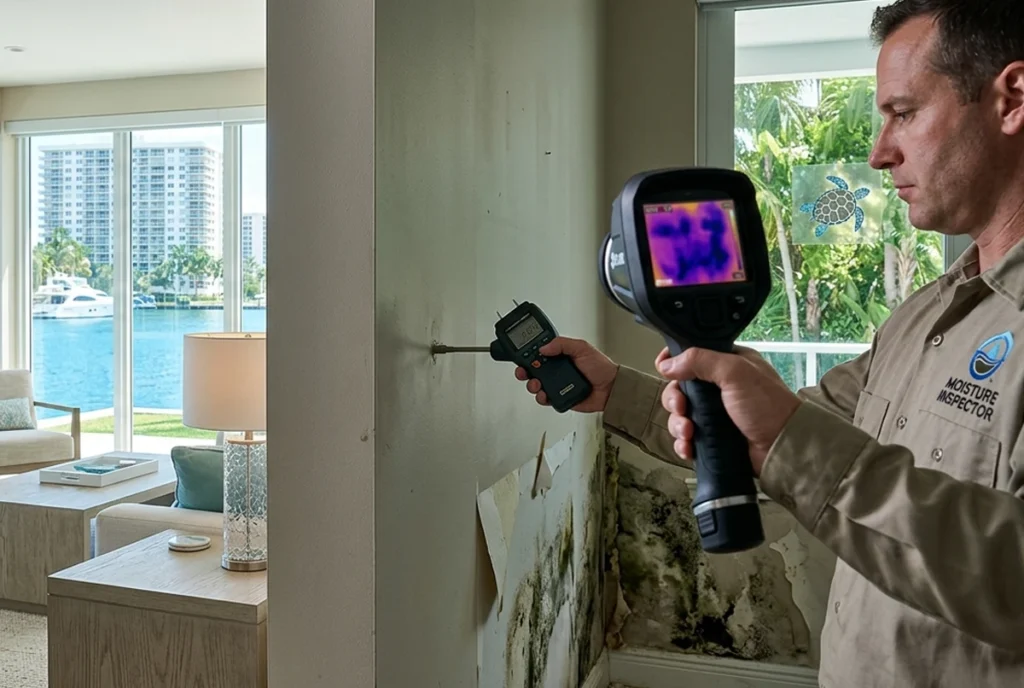
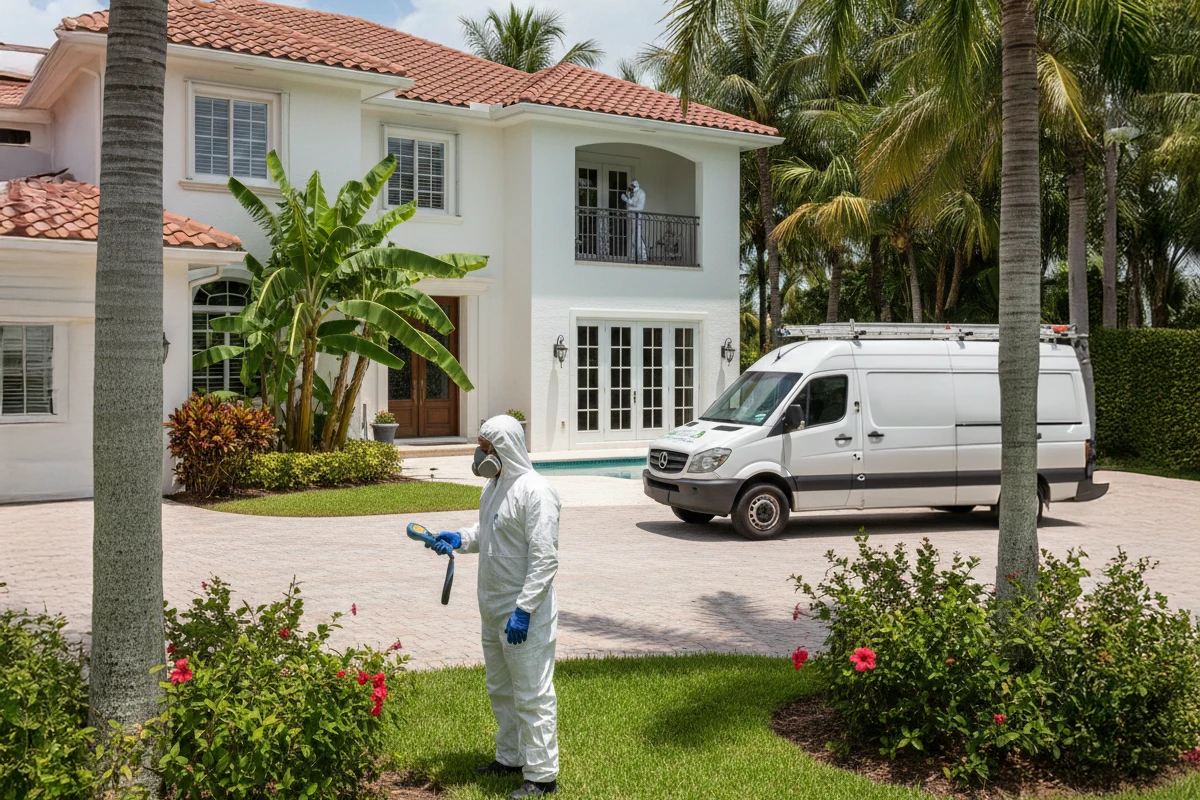
A mold inspection is a professional evaluation designed to identify signs of mold growth and the conditions that allow it to develop. Unlike simple visual checks, a proper inspection looks beyond surface-level issues.
A typical mold inspection includes:
- Visual evaluation of walls, ceilings, and floors
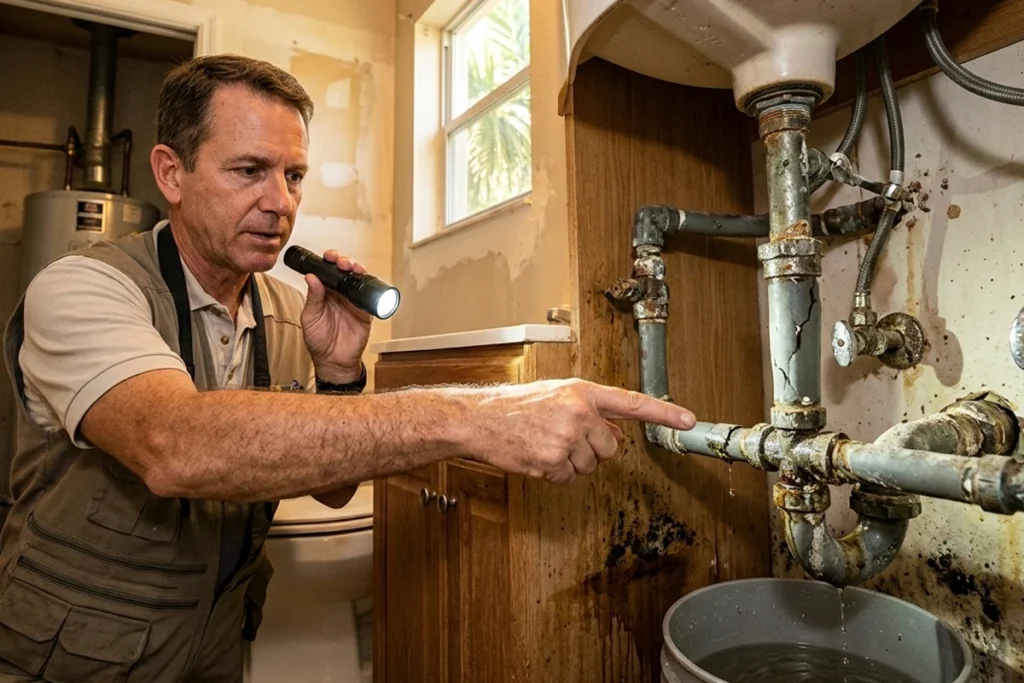
- Identification of moisture sources
- Inspection of high-risk areas such as bathrooms, attics, and crawl spaces
- Assessment of ventilation and airflow
A mold inspection does not automatically mean mold testing. Testing may be recommended if confirmation or documentation is needed.
Why Mold Inspections Are Especially Important in Florida Homes
Florida homes face unique environmental challenges that increase the risk of mold:
- High humidity throughout the year
- Frequent storms and hurricanes
- Roof leaks and water intrusion
- Older construction materials
- Poor ventilation in kitchens and bathrooms
According to the U.S. Environmental Protection Agency (EPA), moisture control is the most effective way to prevent mold growth
Warning Signs That Indicate You May Need a Mold Inspection
Visible Warning Signs
Some signs are easy to spot, including:
- Visible mold growth
- Water stains on walls or ceilings
- Peeling paint or warped drywall
Hidden or Indirect Warning Signs
Other indicators may suggest hidden mold:
- Musty or earthy odors
- Allergy or respiratory symptoms indoors
- Persistent moisture problems
- Mold smell without visible mold
If these signs are present, a mold inspection is often recommended.
When a Mold Inspection Is Strongly Recommended
A professional mold inspection in Florida is especially important in the following situations:
- After water damage or flooding
- Following roof or plumbing leaks
- When mold keeps returning
- Before buying or selling a home
- When health symptoms persist indoors
These scenarios often involve hidden moisture that can worsen without proper evaluation.
Mold Inspection vs. Mold Testing: What’s the Difference?
| Mold Inspection | Mold Testing |
|---|---|
| Visual evaluation | Air or surface sampling |
| Identifies moisture sources | Confirms mold presence |
| Guides next steps | Provides lab results |
| Often first step | Used when documentation is needed |
Both play important roles, but inspections typically come first.
How Mold Inspections Help With Insurance Claims
Insurance companies focus heavily on the cause of mold, not just its presence. A mold inspection helps document:
- Source of moisture
- Extent of damage
- Timeline of the issue
This documentation can support insurance claims when mold is caused by a covered event. You can learn more about coverage details in our guide on is mold covered by insurance in Florida.
For official guidance on insurance policies, homeowners can consult the Florida Office of Insurance Regulation

Mold Inspection in Florida: When Is It Necessary?
What Happens After Mold Is Discovered?
Once mold is identified, the next steps typically include:
- Locating and stopping the moisture source
- Evaluating the extent of damage
- Planning repairs or renovations
- Preventing future moisture problems
In many cases, addressing mold involves more than cleaning — structural repairs may be required.
Florida Mold Guidelines and Health Standards
Health and safety guidance related to mold can be found through:
These organizations emphasize early detection and moisture control to reduce health risks associated with mold exposure.
How Cipriano Helps After a Mold Inspection
Mold issues often point to deeper problems within a home. At Cipriano Improvements, solutions are designed to address both damage and prevention, including:
- Drywall replacement and restoration
- Bathroom and kitchen remodeling
- Ventilation improvements
- Repairs after water damage
- Full home renovations in Florida
By correcting the underlying cause, homeowners reduce the risk of mold returning.
Common Mistakes Homeowners Make With Mold Inspections
Many homeowners unintentionally worsen mold issues by:
- Waiting too long to investigate
- Relying only on visual checks
- Ignoring ongoing moisture problems
- Skipping professional evaluations
Early inspections help avoid these costly mistakes.
FAQs About Mold Inspections in Florida
When is a mold inspection necessary in Florida?
When moisture problems, odors, or health symptoms are present.
Is a mold inspection required when buying a home?
Not always, but it is strongly recommended in humid climates like Florida.
How long does a mold inspection take?
Most inspections take a few hours, depending on home size.
Can I do a mold inspection myself?
Basic checks are possible, but professional inspections are more thorough.
Conclusion about Mold Inspection in Florida
Knowing when a mold inspection in Florida is necessary helps homeowners protect their health, property value, and long-term investment. Early detection allows for smarter decisions and prevents small problems from becoming major repairs.
If you suspect mold or moisture issues in your home, consulting experienced renovation professionals can help you evaluate the situation and plan the right solution before damage spreads.