Living in Florida has many advantages, but constant humidity is not one of them. Many homeowners assume that moisture inside the house is normal. That assumption, unfortunately, leads to mold, damaged materials, and expensive renovations.
Learning how to detect moisture problems in Florida houses is essential for protecting both your health and your property. In fact, understanding how to detect moisture problems early can prevent mold growth, structural damage, and costly repairs before they escalate.
Why Moisture Problems Are Common in Florida Homes
Florida’s climate creates the perfect environment for moisture buildup. Several factors contribute to this issue:
- High humidity levels year-round
- Heavy rainfall and tropical storms
- Aging roofing and plumbing systems
- Poor ventilation in older homes
- Air conditioning condensation
Because of these conditions, even well-maintained homes can develop hidden moisture issues over time.
Early Warning Signs of Moisture Problems
Recognizing early indicators is a key part of how to detect moisture problems before they cause visible or structural damage. Florida homeowners who act quickly often avoid major remediation costs.
Visible Signs
Some moisture problems are easy to spot if you pay attention:
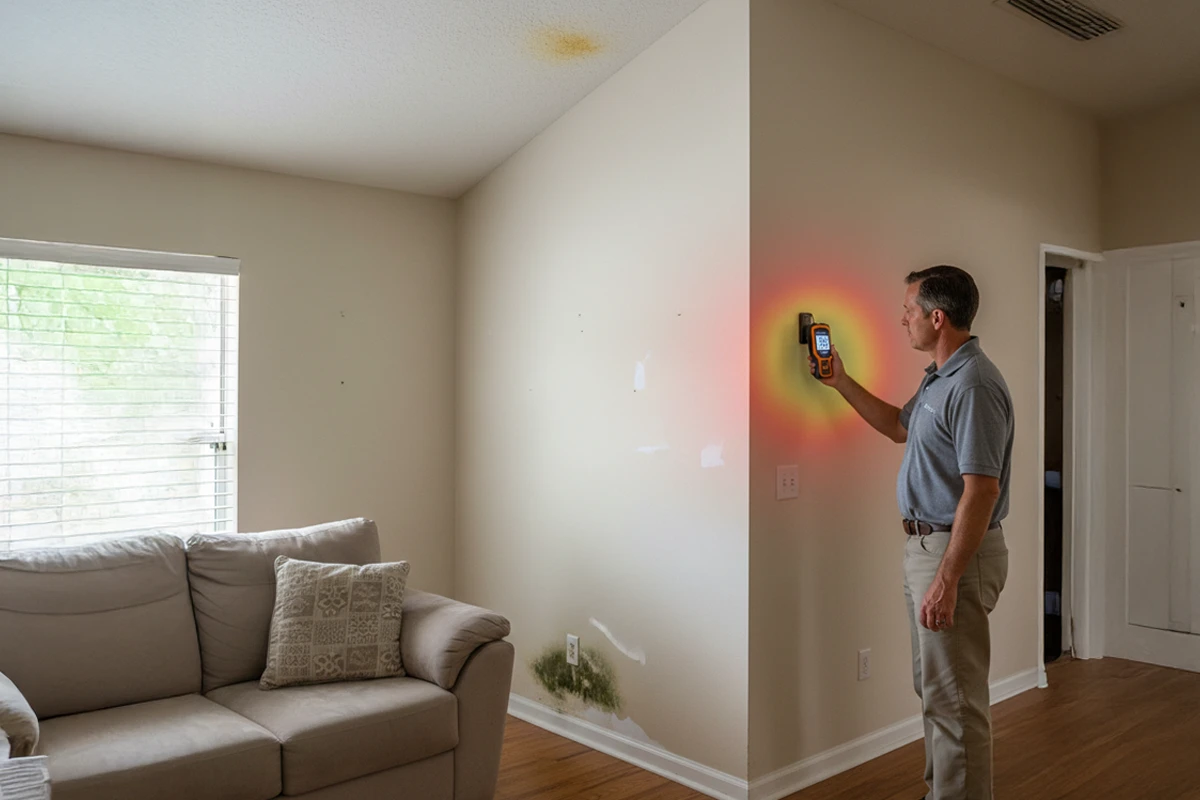
- Water stains on ceilings or walls
- Bubbling or peeling paint
- Warped drywall or baseboards
- Condensation on windows or glass doors
- Damp or soft flooring areas
These visible clues often indicate a deeper issue behind the surface.
Hidden Signs
Other signs are less obvious but equally important:
- Persistent musty odors
- Allergy or respiratory symptoms indoors
- Mold smell without visible mold
- High indoor humidity readings
- Unexplained increases in cooling costs
Ignoring these signs allows moisture problems to worsen silently.
Common Areas Where Moisture Builds Up in Florida Houses
Certain areas are more vulnerable than others:
- Bathrooms and showers
- Kitchens and under sinks
- Laundry rooms
- Attics and crawl spaces
- Around HVAC systems
- Behind walls affected by roof or plumbing leaks
These locations should be inspected regularly, especially after storms.
How Moisture Leads to Mold and Structural Damage
Moisture is the primary trigger for mold growth. Once moisture becomes trapped, mold can develop within 24–48 hours. Over time, excess moisture also causes:
- Drywall deterioration
- Wood rot and framing damage
- Insulation breakdown
- Reduced indoor air quality
- Decreased property value
For a deeper explanation, homeowners can explore our guide on mold problems in Florida homes, which explains how moisture and mold are directly connected.
Tools and Methods to Detect Moisture Issues
Using the right tools is essential when learning how to detect moisture problems accurately. While visual inspections help, combining them with moisture meters and professional evaluations provides the most reliable results.
Detecting moisture problems early often requires a combination of methods:
- Moisture meters to measure dampness in walls and floors
- Visual inspections of ceilings, joints, and corners
- Attic checks after heavy rain
- Infrared imaging for hidden leaks (professional use)
- HVAC and ventilation evaluations
While some tools are accessible to homeowners, professional assessments provide the most accurate results.
Moisture Problems Caused by Roof, Plumbing, and HVAC Issues
Roof Leaks and Storm Damage
Small roof leaks can allow moisture to enter long before visible damage appears. This is especially common after hurricanes or heavy storms.
Plumbing Leaks and Pipe Corrosion
Older pipes and hidden plumbing leaks are frequent sources of moisture behind walls and under floors.
Air Conditioning and Poor Ventilation
Improperly sized or maintained HVAC systems can cause condensation buildup, leading to long-term moisture issues.
When Moisture Requires Professional Evaluation
Homeowners should consider professional help when:
- Moisture problems persist despite repairs
- Mold continues to return
- Structural materials show deterioration
- Water damage follows storms or flooding
At this stage, surface fixes are no longer enough.
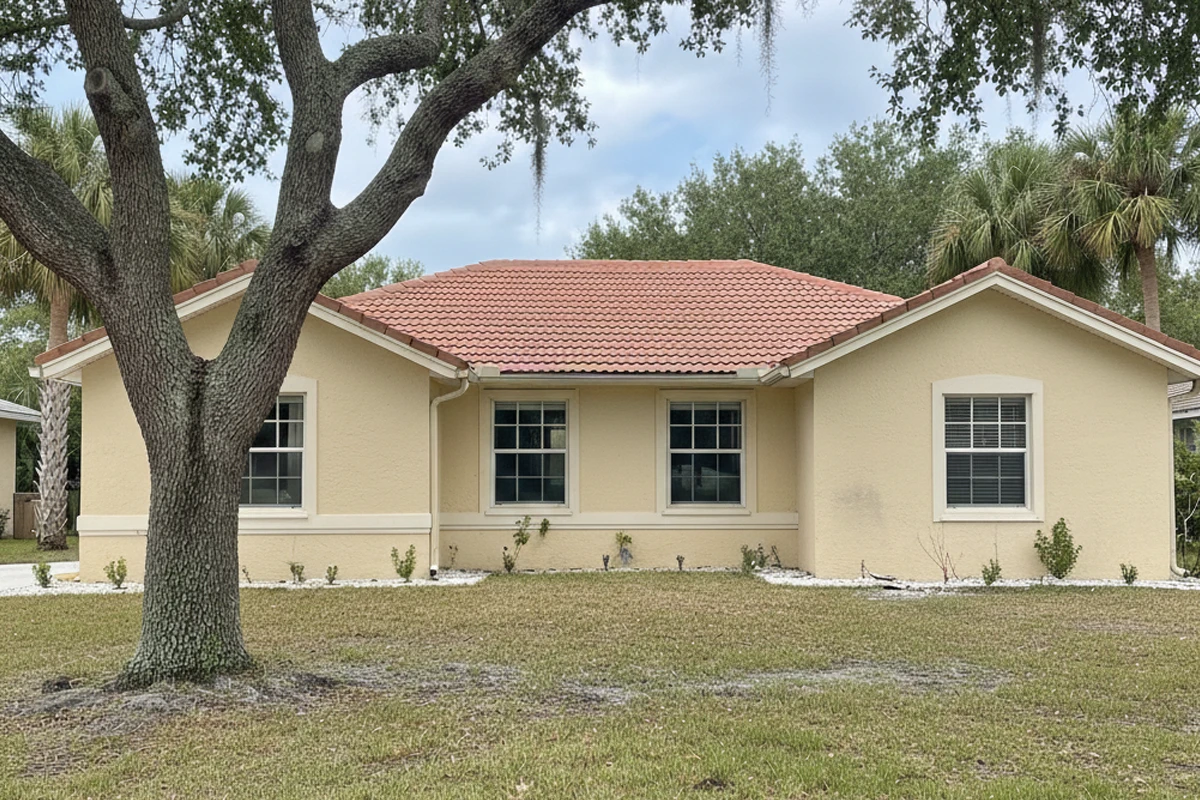
How to Detect Moisture Problems in Florida Houses in 2026
Florida Moisture, Mold, and Building Standards
According to the Environmental Protection Agency (EPA), moisture control is the most effective way to prevent mold growth. The Centers for Disease Control and Prevention (CDC) and the Florida Department of Health also emphasize early moisture detection as a critical step in maintaining healthy indoor environments.
These standards reinforce why moisture issues should never be ignored in Florida homes.
How Cipriano Helps Solve Moisture-Related Problems
Moisture problems often require more than a single repair. At Cipriano Improvements, solutions may include:
- Drywall replacement and restoration
- Bathroom and kitchen remodeling
- Ventilation upgrades
- Roof-related interior repairs
- Full renovations after water damage
The goal is not just to repair damage, but to eliminate the source of moisture permanently.
Moisture problems often indicate deeper issues within a home. Water intrusion, ventilation problems, or outdated materials frequently require coordinated repairs beyond simple cleanup.
Working with experienced home remodeling contractors in Florida allows homeowners to address moisture-related damage, replace affected drywall, improve ventilation, and restore interior spaces. Services such as bathroom remodeling, kitchen renovations, and full home renovations in Florida are often part of long-term moisture prevention solutions.
Rather than treating mold as an isolated problem, a comprehensive approach ensures lasting results.
Common Mistakes Homeowners Make With Moisture Issues
Many moisture problems escalate due to avoidable mistakes:
- Painting over water stains
- Ignoring small leaks
- Delaying inspections
- Using incorrect materials
- Treating symptoms instead of causes
Addressing the root problem early always costs less than repairing long-term damage.
FAQs About Moisture Problems in Florida Homes
How can I tell if my house has moisture problems?
Look for stains, odors, condensation, and changes in indoor comfort.
Is moisture normal in Florida homes?
Humidity is normal, but indoor moisture damage is not.
Can moisture cause mold even if I don’t see it?
Yes. Mold often grows behind walls or under flooring.
How fast can moisture damage a home?
Structural and mold damage can begin within days if moisture is not controlled.
Conclusion about how to detect moisture problems
Understanding how to detect moisture problems in Florida houses helps homeowners prevent mold, protect structural integrity, and avoid costly repairs. Moisture issues rarely resolve on their own, but early detection makes all the difference.
If you suspect moisture problems in your home or want professional guidance, consulting with experienced renovation and repair specialists can help you protect your investment and restore peace of mind.