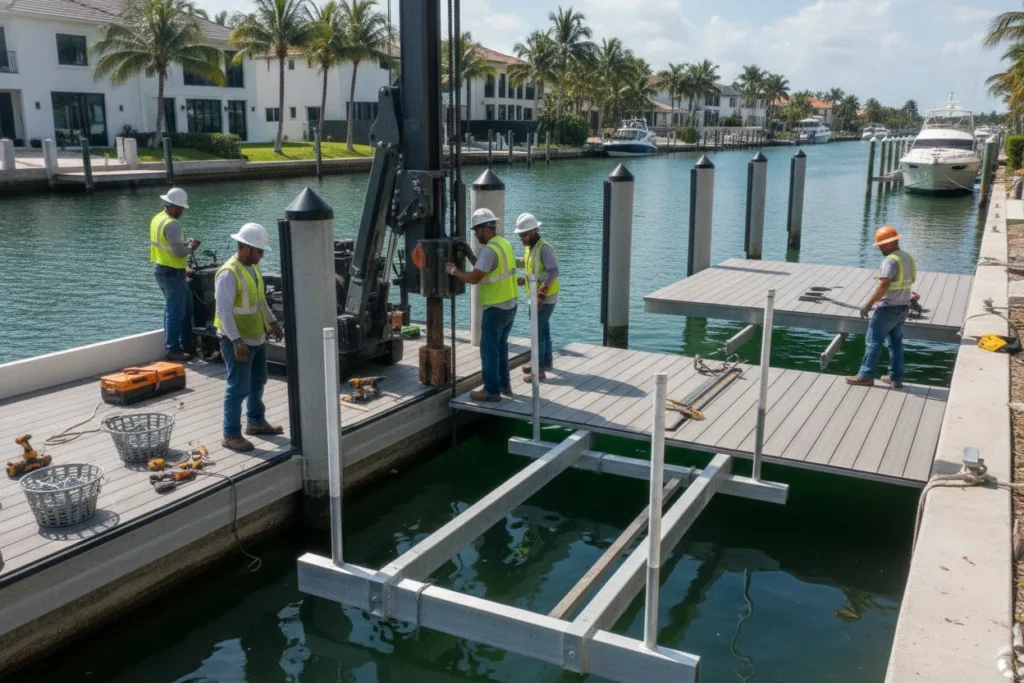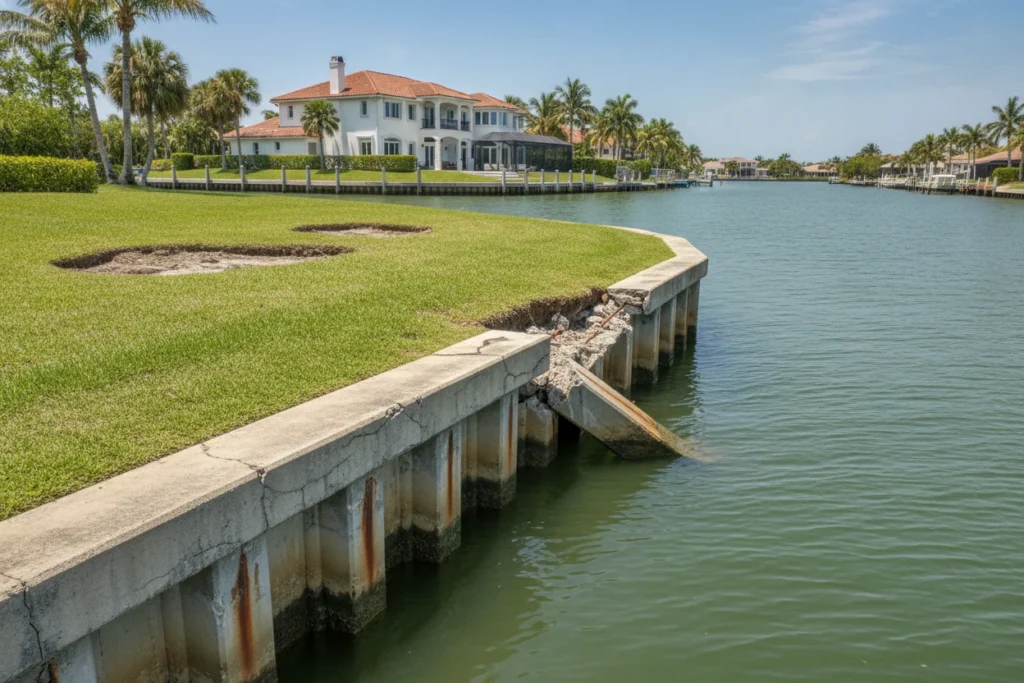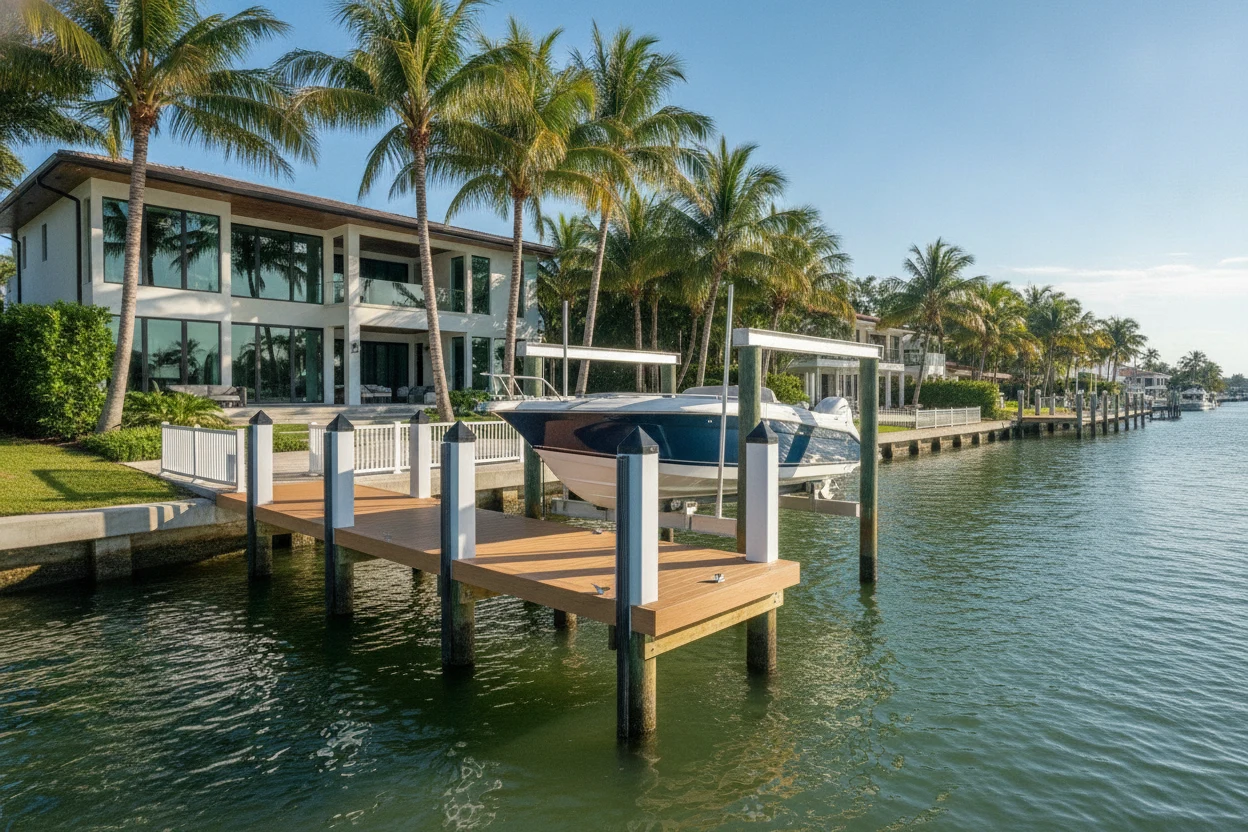
Building or replacing a dock on a South Florida canal comes down to one early decision that shapes cost, maintenance, and how the dock looks a decade from now: the decking material. When homeowners weigh composite vs wood docks in Fort Lauderdale, they are really comparing upfront price against long-term upkeep in one of the harshest environments a dock can face — relentless sun, salt spray, and tidal moisture. This guide breaks down how the two materials compare so you can choose with your eyes open, whether you are working with Cipriano Improvements or planning a project of your own.
Wood Docks: Classic Look, Real Upkeep
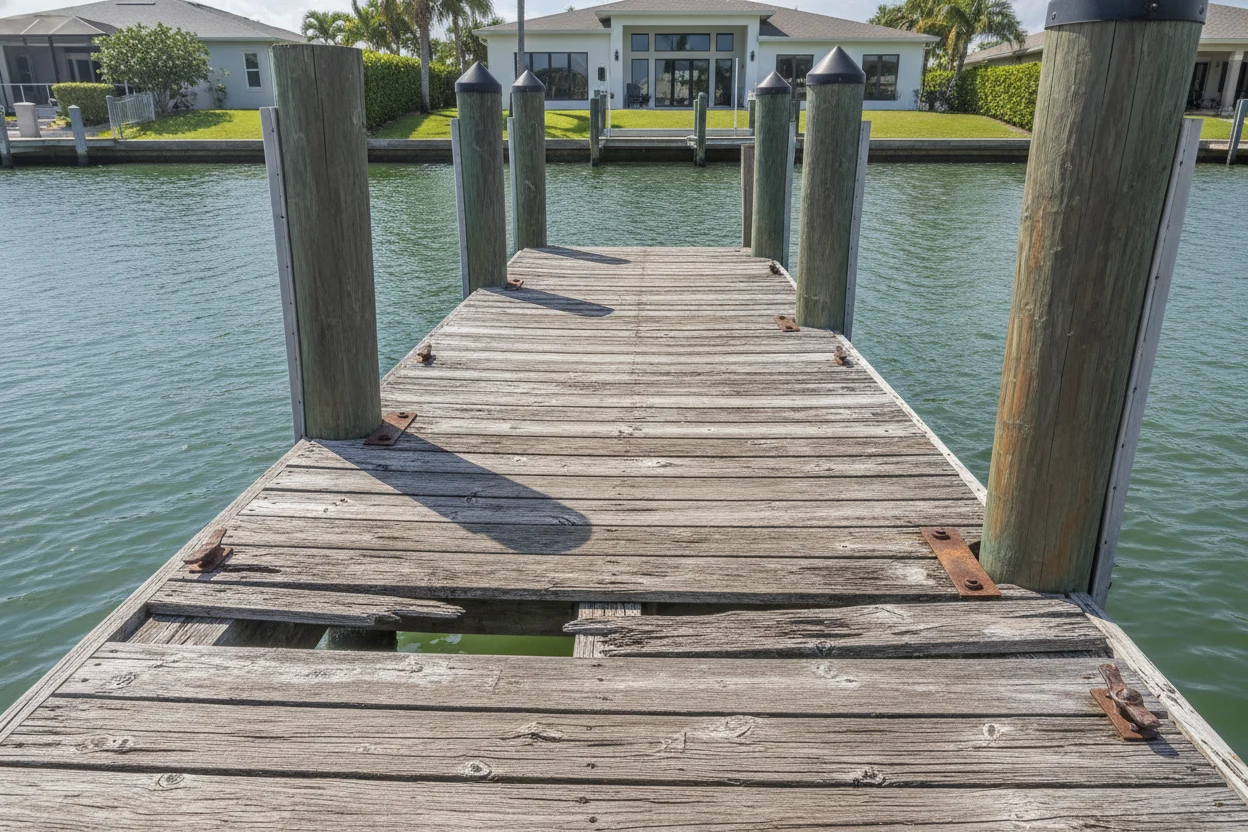
Pressure-treated pine and tropical hardwoods like ipe have built South Florida docks for generations. Wood costs less upfront, feels traditional, and can be repaired board by board. The trade-off is maintenance: in Fort Lauderdale’s salt and sun, wood needs regular sealing or staining, and it is prone to splintering, warping, and rot over time. Left unmaintained, a wood dock weathers quickly — the same deterioration that turns a solid dock into a repair project within years.
Composite Docks: Higher Upfront, Lower Upkeep
Composite decking blends recycled wood fibers and plastic into boards engineered to resist rot, splintering, and insects. It costs more to install, but it needs no staining or sealing — an occasional rinse keeps it looking new. Modern composite resists fading and stays cooler than older versions, and it shrugs off the salt exposure that punishes wood. For homeowners who would rather not spend weekends maintaining a dock, composite trades a higher upfront number for years of low-effort ownership.
Composite vs Wood Docks in Fort Lauderdale: Side by Side
| Factor | Wood | Composite |
|---|---|---|
| Upfront cost | Lower | Higher |
| Maintenance | Regular sealing/staining | Rinse only |
| Lifespan in salt air | Shorter without upkeep | Longer, low-effort |
| Look and feel | Natural, classic | Uniform, modern |
| Repairs | Easy board swaps | Color-matched board swaps |
Which Dock Is Right for You?
- Choose wood if you want the lowest upfront cost, love the natural look, and don’t mind regular upkeep.
- Choose composite if you want to minimize maintenance, plan to stay long-term, and prefer a consistent modern finish.
- Either way, the pilings and structure underneath matter as much as the decking — a great deck on failing pilings won’t last.
Build to code: Whatever material you choose, dock work over the water is regulated. Depending on scope it can involve the Florida Department of Environmental Protection and the U.S. Army Corps of Engineers — a licensed marine contractor confirms what your project needs.
Conclusion: Match the Material to Your Priorities
The composite vs wood docks debate in Fort Lauderdale isn’t about which material is “better” — it’s about which trade-off you prefer: lower upfront cost and hands-on upkeep, or a higher initial spend and years of low maintenance. Either can serve a canal home well when it is built on sound pilings and to code. If you are planning a new dock or a broader project, the Cipriano Constructions team can help you weigh materials against your budget and timeline, and coordinate the dock with any waterfront home remodeling you have in mind.
Frequently Asked Questions
Do composite docks get too hot in Florida?
Older composite boards could get warm, but modern products are engineered to stay cooler and resist fading. Choosing a lighter color and a quality brand keeps a composite dock comfortable underfoot even in Fort Lauderdale sun.
How long does a wood dock last in South Florida?
With consistent sealing and repairs, a wood dock can last many years, but salt, sun, and moisture shorten that lifespan when maintenance slips. Composite generally lasts longer with far less upkeep.
Is composite worth the higher upfront cost?
For homeowners planning to stay long-term, the savings in maintenance time and materials often justify the higher initial price. If budget is the priority and you don’t mind upkeep, wood remains a solid choice.
Can I replace just the decking and keep my pilings?
Sometimes — if the pilings and framing are sound, you can re-deck in wood or composite. An inspection confirms whether the substructure can carry a new surface or needs reinforcement first.