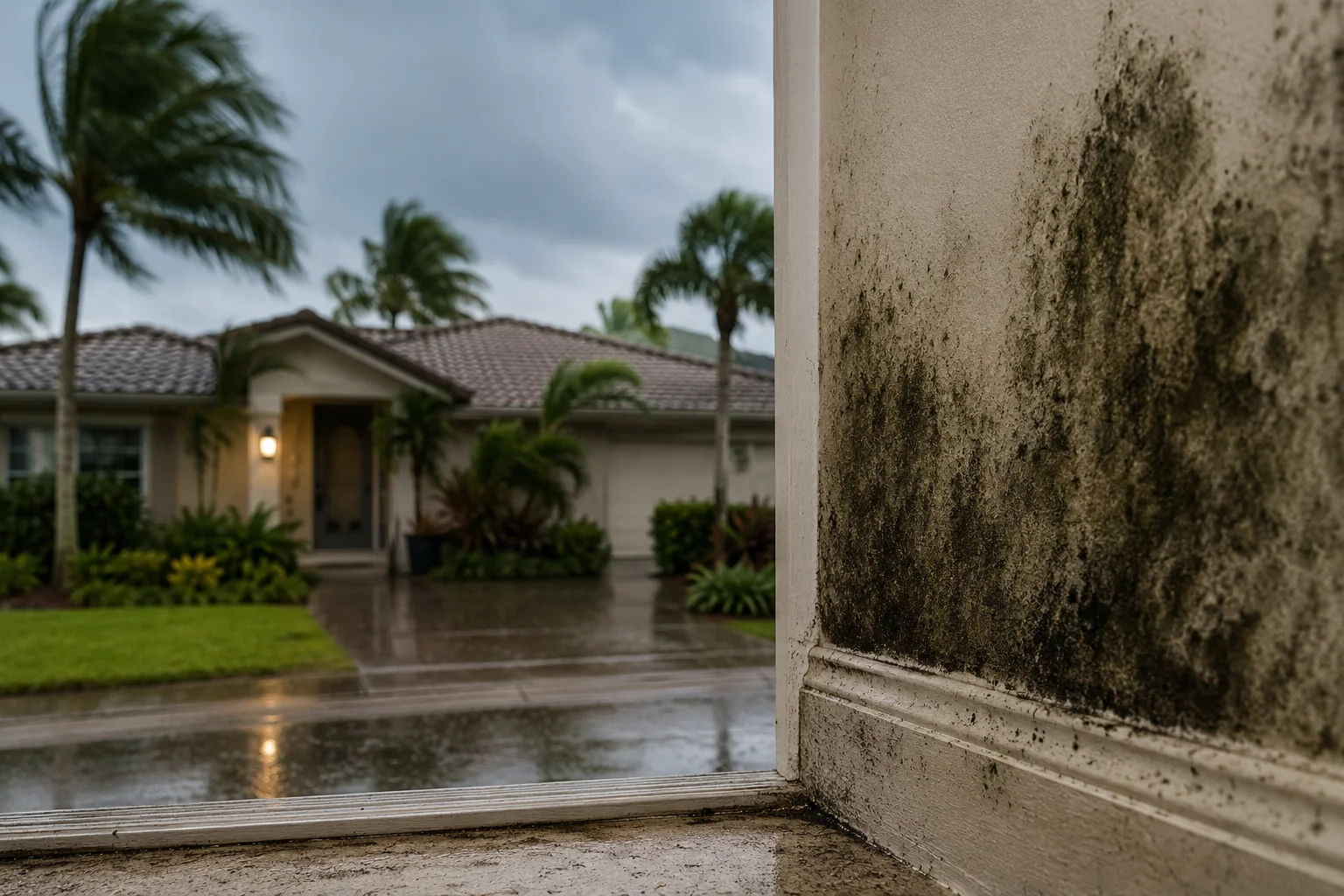
Does homeowners insurance cover mold in Florida? The short answer is: sometimes — it depends entirely on what caused the mold. If the mold grows from a sudden, accidental event your policy already covers (like a burst pipe), remediation is usually covered. If it grows slowly from a leak you left unaddressed, or from flooding, it is usually not. In a humid, storm-prone state like Florida, knowing that difference can save you thousands. If you’ve already spotted a problem, see how Cipriano Improvements handles home repairs and renovations.
In this article you’ll find:
- When mold is and isn’t covered in Florida
- How coverage limits and endorsements work
- Typical mold remediation cost
- How to protect your coverage and prevent claims
Does Homeowners Insurance Cover Mold in Florida?
In most cases, homeowners insurance covers mold in Florida only when it results from a “covered peril” — a sudden, accidental event already named in your policy. A burst pipe, an overflowing appliance, or storm damage that lets water in can all qualify. Mold that develops gradually from an unrepaired leak, poor maintenance, or high humidity is typically excluded, because insurers treat it as preventable.
Flooding is its own category. Standard homeowners policies exclude flood damage entirely, so mold caused by a flood is only covered if you carry separate flood insurance. Because rules and policy language vary, always confirm your specific coverage; the Florida Office of Insurance Regulation is the authoritative source on how policies are regulated in the state.
When Mold Is Covered vs. When It Isn’t
The deciding factor is the source of the water. Here’s a simple breakdown of how most Florida policies treat mold:
| Usually COVERED | Usually NOT covered |
|---|---|
| Burst or ruptured pipe | Long-term, unrepaired leaks |
| Sudden appliance overflow | Poor maintenance or neglect |
| Storm damage that lets water in (covered peril) | High indoor humidity / condensation |
| Accidental water discharge | Flooding (needs separate flood insurance) |
This is also why documentation matters. If a covered event happens, address it fast and keep records — the faster you stop the water, the stronger your claim and the smaller the mold problem.
Mold Coverage Limits and Endorsements
Even when mold is covered, Florida policies often cap how much they’ll pay. Many include a mold sublimit — a separate, lower maximum for mold remediation that’s well below your overall dwelling coverage. If you want more protection, insurers frequently offer a mold endorsement (rider) that raises that limit for an added premium.
Review your declarations page for the exact mold sublimit, and ask your agent whether an endorsement makes sense for your home — especially if you own an older property or one with a history of moisture issues. For broader context on indoor mold and health, the U.S. EPA and CDC publish guidance worth reading.
Key point: The EPA stresses that mold control starts with moisture control — fix the water source within 24–48 hours and you can usually prevent mold from taking hold at all.
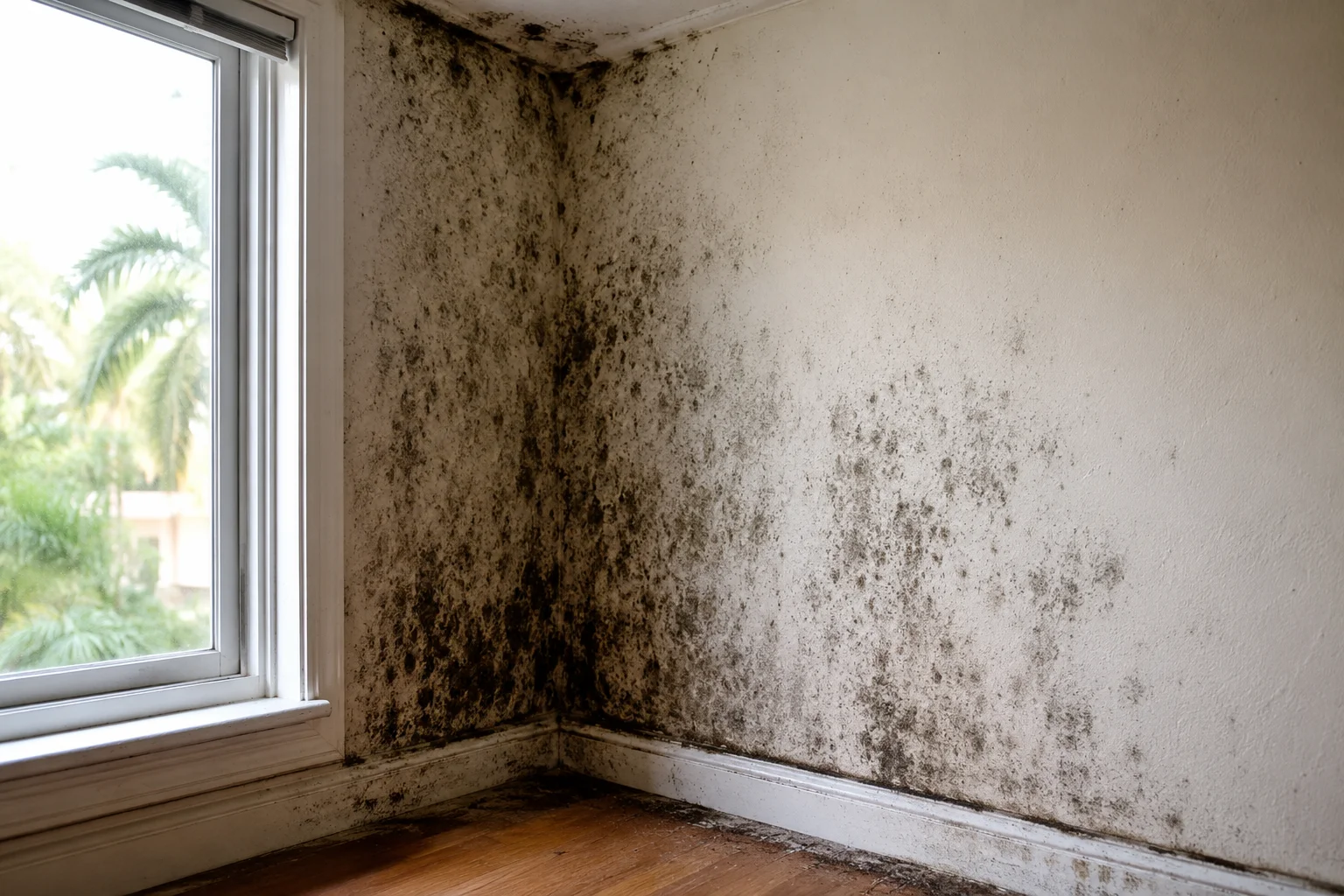
Does Homeowners Insurance Cover Mold in Florida? A 2026 Homeowner’s Guide
How to Prevent Mold Claims (and Protect Your Coverage)
The best way to protect your coverage is to prevent the gradual damage insurers won’t pay for. Because excluded mold almost always traces back to slow leaks and humidity, prevention is both a money-saver and a way to keep claims valid.
- Fix leaks fast — address plumbing and roof leaks within 24–48 hours.
- Control humidity — keep indoor humidity below 60% with AC and dehumidifiers.
- Inspect hidden areas — check under sinks, behind walls, and around windows.
- Keep records — document repairs and maintenance to support any future claim.
For deeper guides, see our articles on how to prevent mold growth in Florida, signs of hidden water damage, and what to expect for mold remediation cost in Florida.
Conclusion: Know Your Coverage Before You Need It
So, does homeowners insurance cover mold in Florida? Yes — but only when it stems from a covered, sudden event, within your policy’s limits. Gradual leaks, neglect, and flooding are on you, which makes prevention and fast repairs your best protection. Need help fixing water damage or renovating an affected space? Message Cipriano Improvements on WhatsApp or schedule a free consultation.
Frequently asked questions about mold and homeowners insurance in Florida
Does homeowners insurance cover mold remediation in Florida?
It covers mold remediation when the mold results from a covered peril, such as a burst pipe or sudden water damage — usually up to a mold sublimit. Mold from gradual leaks, neglect, or flooding is typically excluded.
How much does mold remediation cost in Florida?
Costs vary widely with the size and location of the affected area. Small, contained jobs are relatively affordable, while whole-home or hidden in-wall remediation costs significantly more. See our detailed mold remediation cost guide for current ranges.
Is flood-related mold covered by homeowners insurance?
No. Standard homeowners policies exclude flooding. Mold caused by a flood is only covered if you carry a separate flood insurance policy.
What is a mold sublimit?
A mold sublimit is a separate, lower cap your policy applies specifically to mold claims, often well below your total dwelling coverage. You can sometimes raise it with a mold endorsement for an added premium.
How can I prevent mold from voiding my coverage?
Fix leaks within 24–48 hours, keep indoor humidity below 60%, inspect hidden moisture-prone areas, and document maintenance. Preventing the gradual damage insurers won’t cover keeps your claims valid.