Living on the water in South Florida is a dream eleven months of the year — and a responsibility during the twelfth. Getting your Fort Lauderdale Waterfront Home for Hurricane Season ready is not something to leave until a storm is named and headed your way. Canal-front and Intracoastal properties face risks that inland homes do not: storm surge, wind-driven water, and the exposure of a dock, boat lift, and seawall that all need to hold up when conditions turn. The good news is that a methodical checklist, tackled before the season peaks, dramatically reduces both the danger and the cleanup.
Atlantic hurricane season runs from June 1 through November 30, with the highest activity typically from August through October. That gives you an early-summer window to handle the projects that take time — permits, installations, inspections — and a shorter checklist to run through when a specific storm approaches. Below is how the Cipriano Improvements team recommends approaching it, from your home’s envelope down to the waterline.
In this article you’ll find:
- How to protect your home’s envelope with impact windows and doors
- What to check on your seawall, dock, and boat lift
- How to secure outdoor furniture, screens, and the pool area
- Documents, insurance, and an evacuation plan
- A quick before-the-storm checklist
Start With the Home’s Envelope: Impact Windows and Doors
Your first line of defense is keeping wind and water out of the house. Once a window or door fails in a hurricane, wind enters, pressure builds, and roof and structural damage can follow quickly. Impact-resistant windows and doors — laminated safety glass in reinforced frames — are engineered to take a debris hit and stay intact.
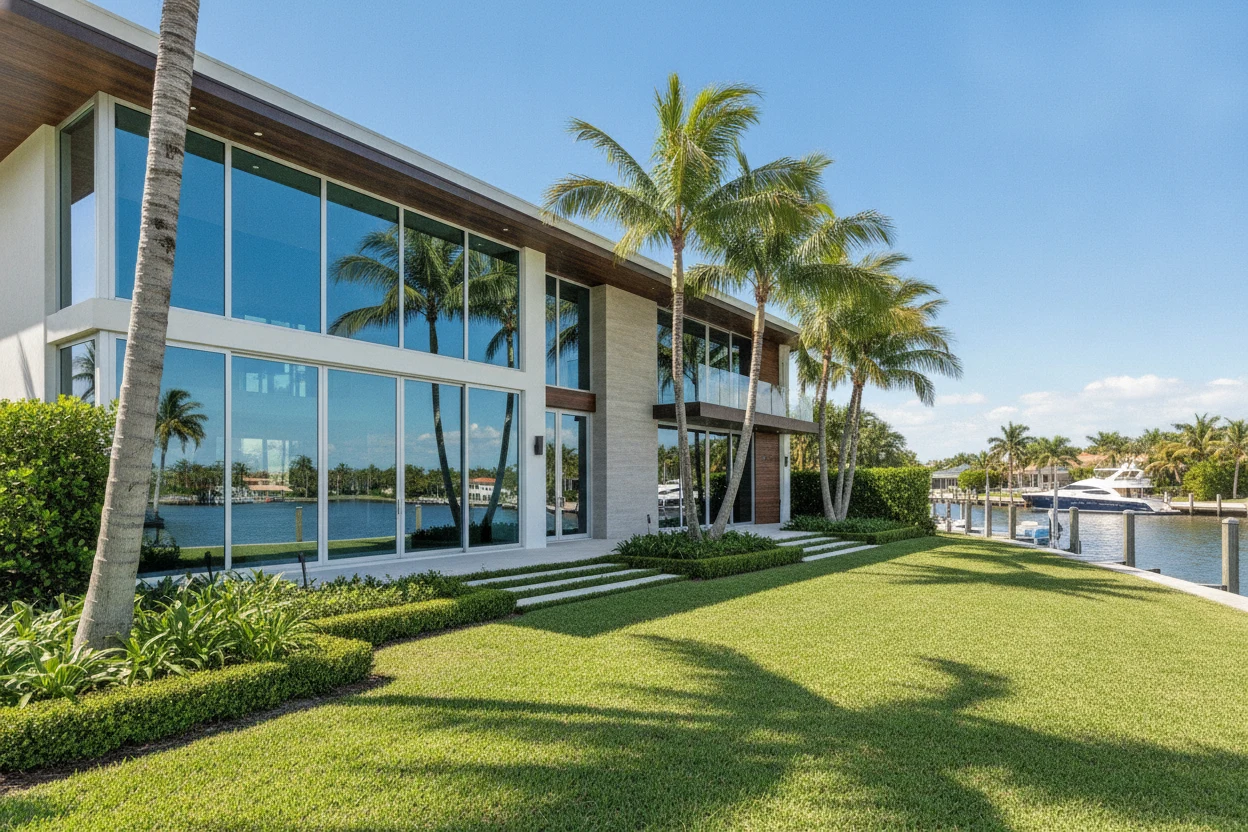
If your home still relies on older windows and temporary shutters, upgrading to permanent impact protection is the single highest-value hurricane project for most waterfront homes. It removes the last-minute scramble to put up panels, and it works around the clock whether or not you are home. Because installation and permitting take time, this is a project to plan early in the season, not the week a storm forms.
Protect the Waterline: Seawall, Dock, and Boat Lift
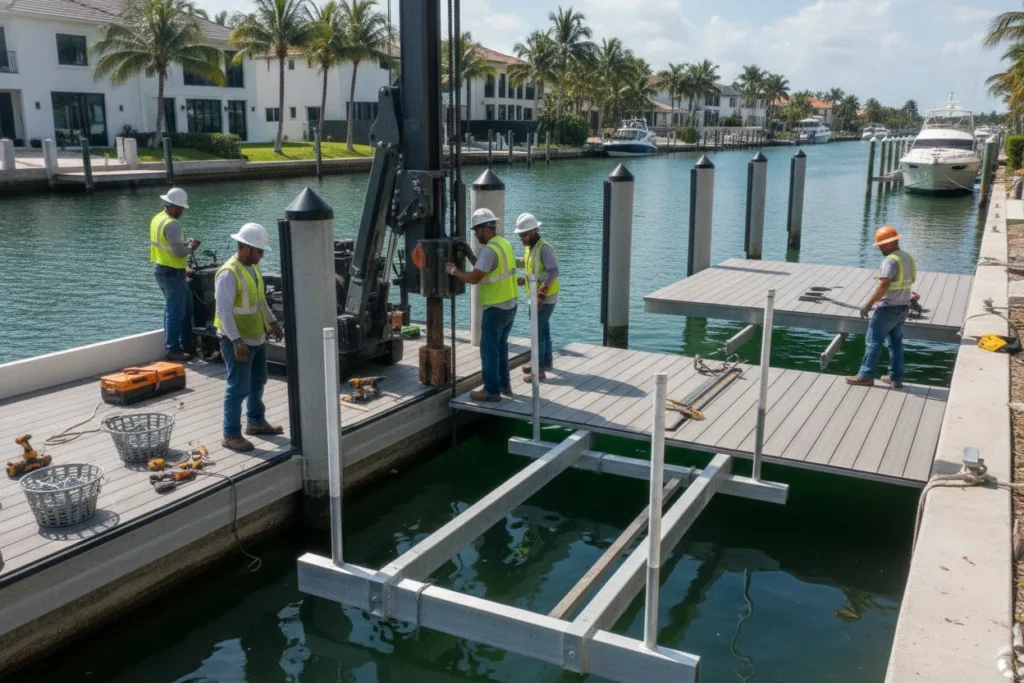
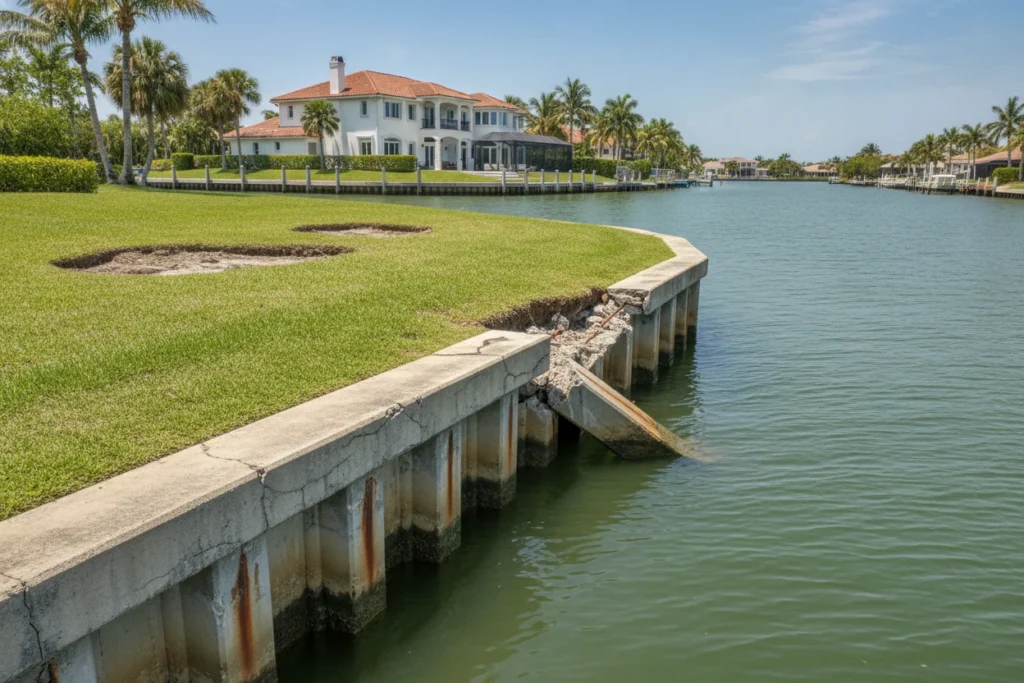
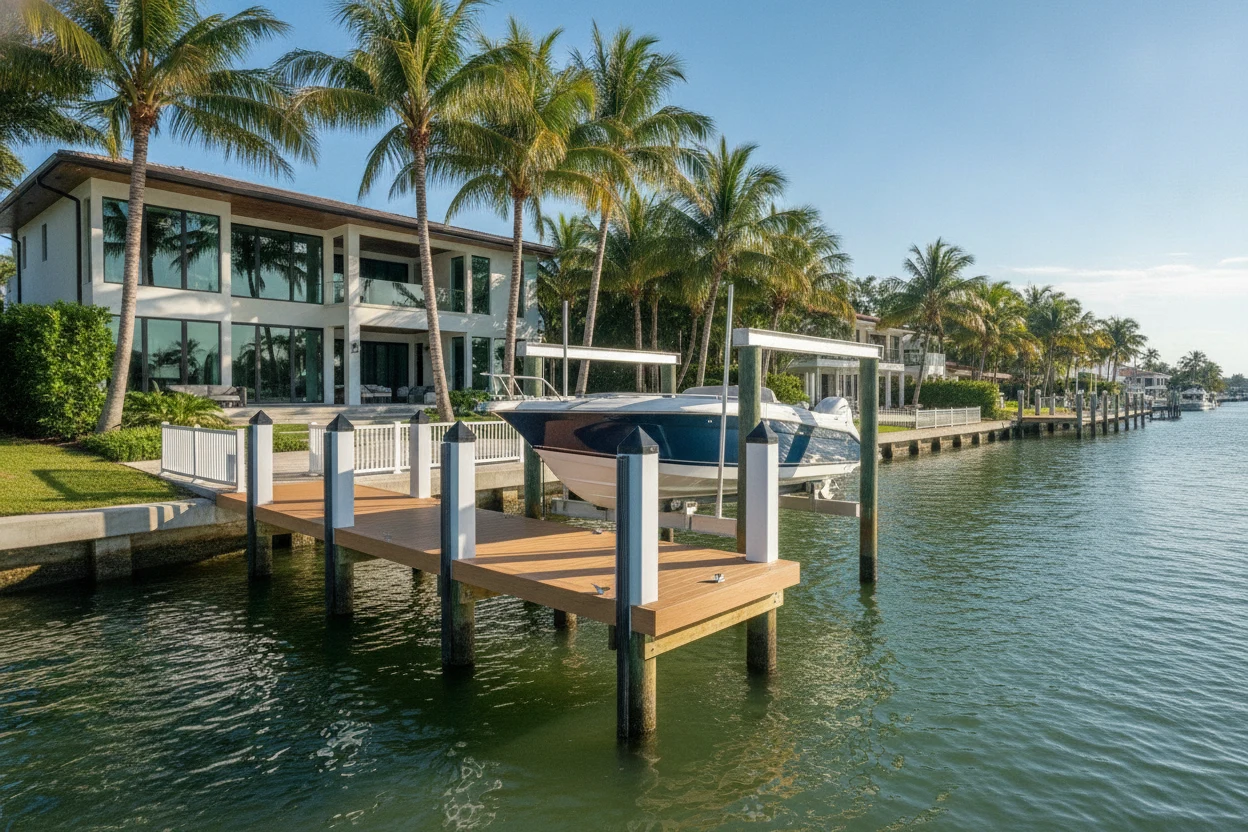
This is where a waterfront home differs most from an inland one. Storm surge and wave action put enormous stress on the structures between your yard and the water. Before the season peaks, have these inspected and repaired:
- Seawall — Look for cracks, leaning, and soil washing out behind the cap. A weak seawall is far more likely to be breached by surge.
- Dock — Check for rotted boards, loose hardware, and wobbling pilings that a storm can tear loose and turn into debris.
- Boat lift — Confirm cables, bunks, and motor are sound; decide in advance whether the boat rides out the storm on the lift, in the water, or hauled out.
Secure the Outdoors: Furniture, Screens, and Pool Area
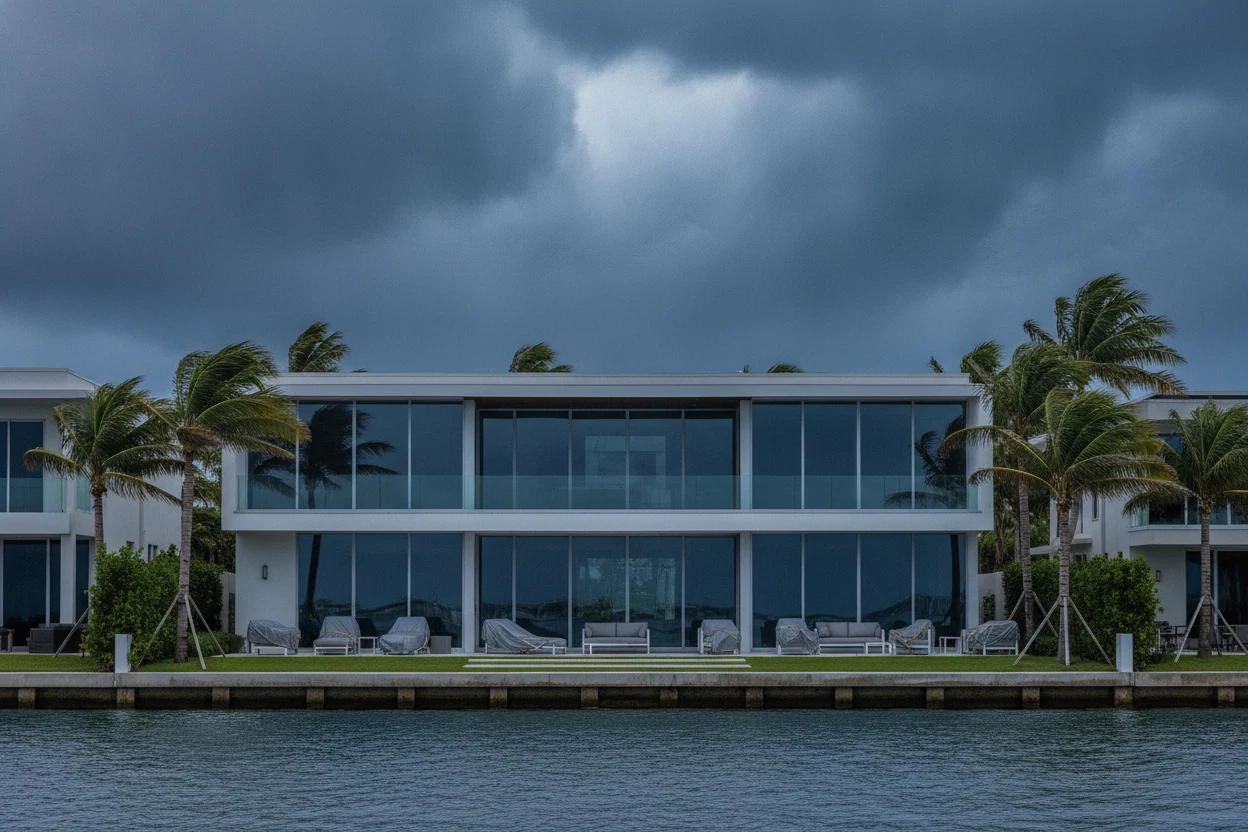
In high wind, anything loose becomes a projectile. As a storm approaches, bring in or tie down patio furniture, grills, planters, and umbrellas. Screen enclosures and pool cages are especially vulnerable; know whether yours is rated to stay up or should have panels removed. Never drain your pool — the water weight helps hold it in place — but lower it slightly and turn off and protect the pump and equipment.
Documents, Insurance, and an Evacuation Plan
Preparing a Fort Lauderdale Waterfront Home for Hurricane Season is not only physical. Review your insurance — including separate flood coverage, which standard homeowners policies usually exclude — well before a storm, since binding restrictions kick in once a system is in the forecast. Keep digital and printed copies of your policy, IDs, and home inventory in a waterproof, portable form. Finally, know your evacuation zone and route; waterfront and low-lying areas are often the first ordered to leave.
Know your risk: Track systems directly through the NOAA National Hurricane Center, confirm your evacuation zone with Broward County Emergency Management, and build your kit using the checklist at Ready.gov.
Before-the-Storm Checklist
When a specific storm is on the way, run through the essentials in priority order:
| Priority | Task | Why it matters |
|---|---|---|
| 1 | Close and confirm impact windows/doors or shutters | Keeps the envelope sealed against wind and debris |
| 2 | Secure or remove the boat; clear the dock | Prevents costly damage and flying debris |
| 3 | Bring in all loose outdoor items | Eliminates projectiles |
| 4 | Charge devices, fill fuel and water, ready the kit | Keeps you safe if power and services fail |
| 5 | Photograph the property; grab documents | Speeds any insurance claim afterward |
Conclusion: Prepare Early, Rest Easier
The homes that come through a storm best are the ones prepared long before it forms. Handle the big projects — impact windows, seawall and dock repairs — in early summer, keep a short pre-storm checklist ready, and you turn hurricane season from a scramble into a routine. If you are also planning upgrades, folding storm protection into a broader waterfront home remodeling project is often the most efficient path. And do not overlook the roof, one of the most storm-exposed parts of any home — learn the warning signs of roof failure before the season peaks.
Frequently Asked Questions About Hurricane Season Preparation
When should I start preparing my waterfront home for hurricane season?
Start in early summer, before peak activity from August through October. Time-consuming projects like impact window installation and seawall or dock repairs need permits and scheduling, so handling them early leaves only a short checklist to run when a specific storm approaches.
Are impact windows better than hurricane shutters?
Impact windows protect the home around the clock without any last-minute setup, add security and noise reduction year-round, and can help with insurance. Shutters are less expensive up front but must be deployed before every storm. For most waterfront homes, permanent impact protection is the higher-value choice.
What should I do with my boat during a hurricane?
Decide in advance based on your lift and location: options include hauling the boat out and storing it inland, moving it to a protected marina, or securing it with extra lines and fenders. Never leave it loose on a failing lift or dock, where it can be damaged or become debris.
Does homeowners insurance cover hurricane flood damage?
Usually not on its own. Standard homeowners policies typically exclude flood, which is a major risk for waterfront homes, so you generally need separate flood coverage. Review it early, because insurers restrict new policies and changes once a storm is in the forecast.
Should I drain my pool before a hurricane?
No. A full pool’s water weight helps keep it in place, and an empty pool can even pop out of the ground from groundwater pressure. Lower the level slightly if advised, turn off and protect the equipment, and never fully drain it.