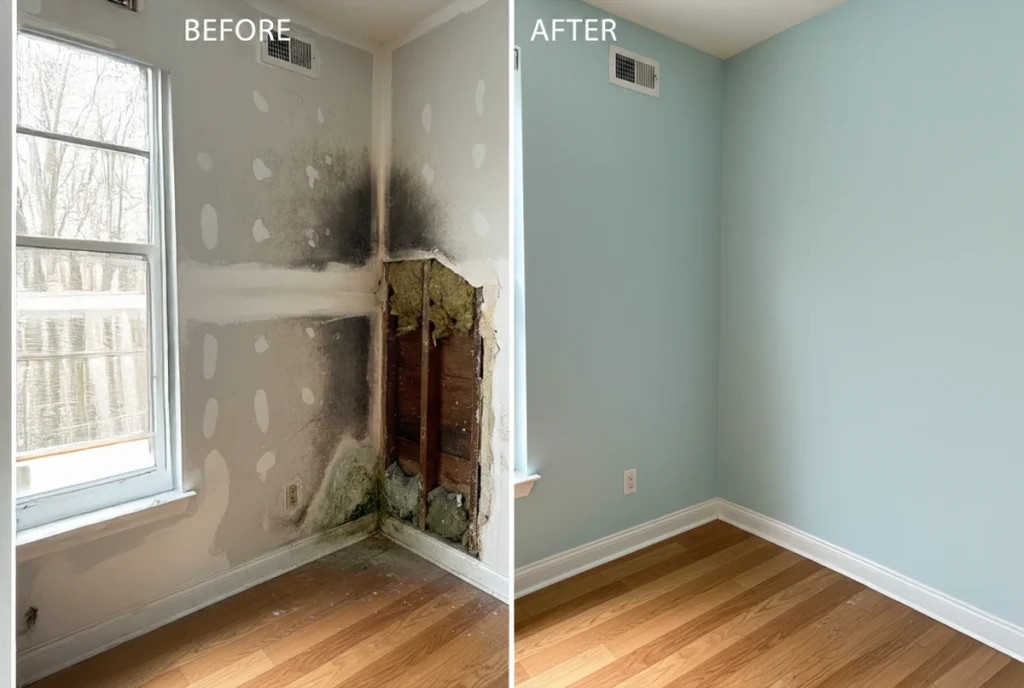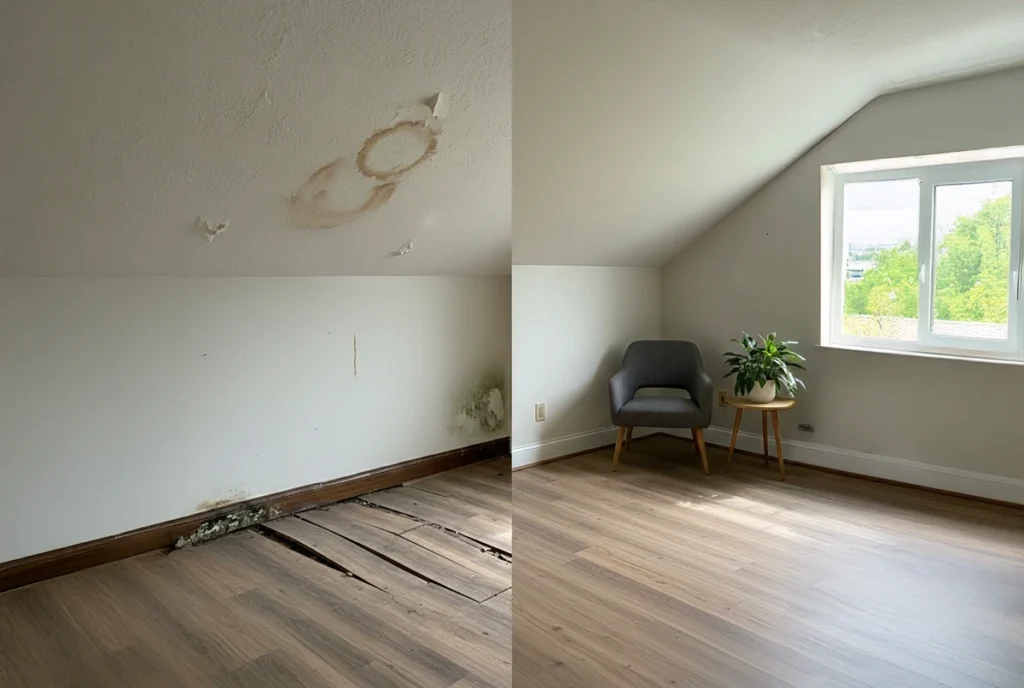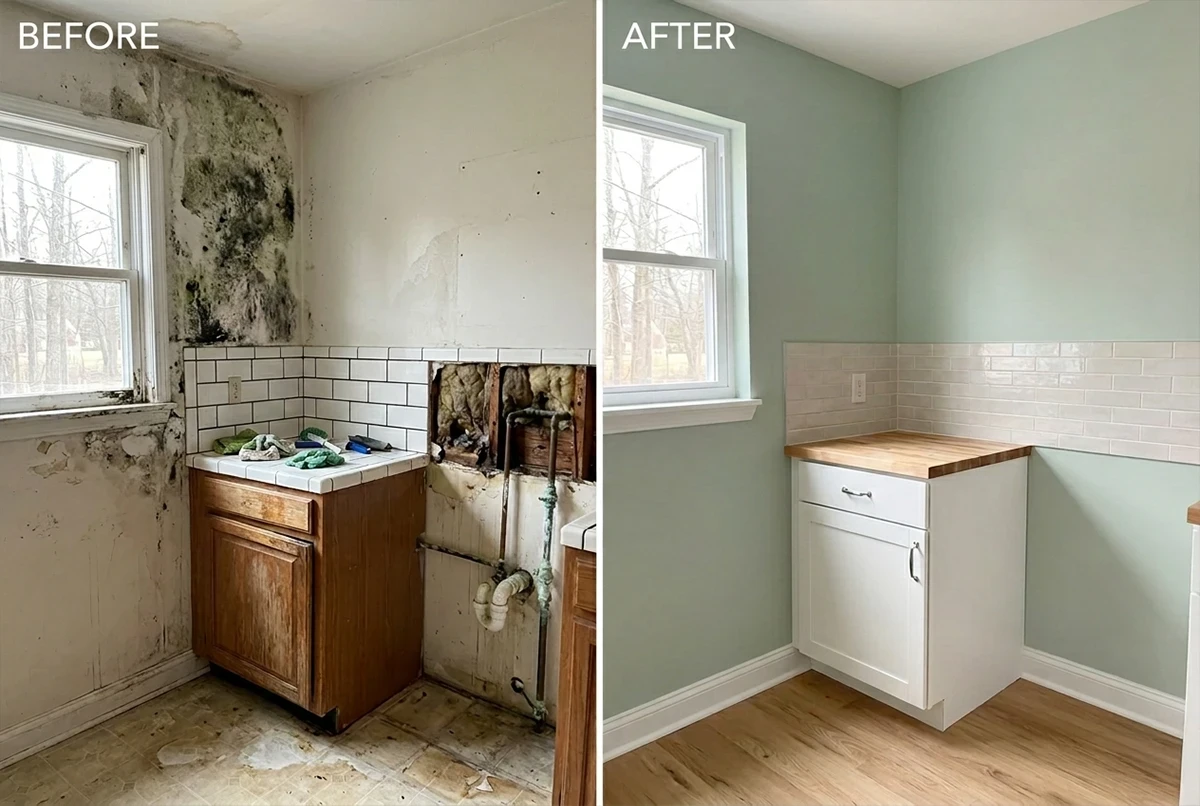
Hidden water damage in Fort Lauderdale homes is more common than many homeowners realize. Because of the region’s high humidity, frequent storms, aging plumbing systems, and strict insurance requirements, moisture problems often develop behind walls, under flooring, and inside ceilings—long before visible signs appear.
Unlike obvious flooding, hidden water damage silently affects structural integrity, indoor air quality, and property value. Understanding the causes, early warning signs, and proper repair strategies is essential in Broward County’s climate.
Why Hidden Water Damage Is So Common in Fort Lauderdale
Fort Lauderdale presents a unique combination of environmental and structural risk factors.
Heavy Rainfall and Storm Exposure
South Florida receives significant annual rainfall, and hurricane season increases the likelihood of water intrusion. According to the National Oceanic and Atmospheric Administration, coastal areas in South Florida experience intense seasonal precipitation that can overwhelm drainage systems and roofing structures.
Even minor roof or window failures during storms can allow water to enter and remain trapped inside wall cavities.
High Humidity Levels
Humidity alone can create moisture buildup. When HVAC systems are poorly maintained or oversized, condensation forms inside ductwork and behind drywall. Over time, this contributes to hidden moisture problems that are difficult to detect without specialized tools.
Aging Homes and Outdated Plumbing
Many properties in Fort Lauderdale were built between the 1970s and 1990s. These homes may contain:
- Polybutylene piping
- Cast iron sewer lines
- Corroded supply lines
Older plumbing systems increase the risk of slow leaks inside walls or under slabs.
Flat Roof and Waterproofing Issues
Flat or low-slope roofs are common in South Florida. While functional, they require consistent maintenance. Small membrane failures can allow water intrusion that remains undetected for months.
Most Common Sources of Hidden Water Damage
Understanding the origin is critical when addressing hidden water damage in Fort Lauderdale homes.
Roof Leaks
Storm-related damage, deteriorated flashing, or aging materials often cause slow ceiling leaks that remain unnoticed until staining appears.
Window and Door Intrusion
Improper sealing or failed caulking allows wind-driven rain to penetrate wall assemblies.
Slab Leaks
Leaks beneath concrete foundations can go undetected while gradually weakening flooring and increasing water bills.
Plumbing Failures
Small pinhole leaks inside supply lines or drain systems often cause moisture accumulation behind drywall.
HVAC Condensation
Clogged condensate lines or improper insulation can cause water to collect inside walls and ceilings.
Signs of Hidden Water Damage in Fort Lauderdale Homes
Early detection significantly reduces repair costs. Watch for:
- Musty or damp odors
- Warped or buckling flooring
- Bubbling paint or drywall
- Soft spots in ceilings or walls
- Unexpectedly high water bills
- Mold spots or discoloration
For a deeper breakdown of warning signs, see: Sings of Hidden Water Damage Fort Lauderdale
How Hidden Water Damage Impacts Property Value
Water damage directly affects:
- Home appraisals
- Buyer inspections
- Insurance underwriting
- Closing timelines
The Florida Realtors consistently reports that property condition plays a significant role in negotiation outcomes.
Additionally, flood zone classification from the Federal Emergency Management Agency can influence buyer perception and insurance requirements.
Unresolved hidden water damage often leads to price reductions or repair credits during transactions.
Professional Detection Methods
Because hidden water damage is not always visible, professional evaluation may include:
- Moisture meter readings
- Infrared thermal imaging
- Pressure testing plumbing lines
- Roof and envelope inspections
- 4-point insurance inspections
Thermal imaging is particularly effective in identifying moisture behind walls before structural deterioration advances.
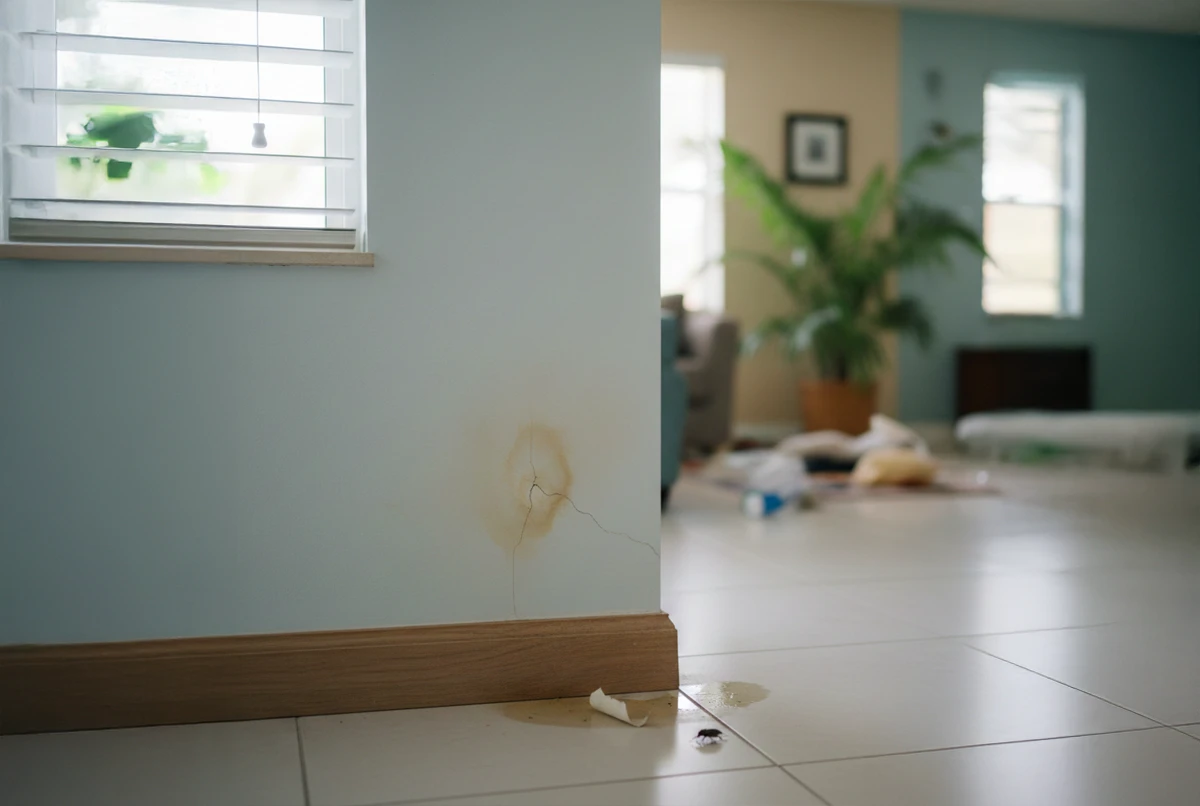
Hidden Water Damage in Fort Lauderdale Homes: Signs, Causes, and Solutions
Repair Options: Surface Fix vs Structural Renovation
Not all water damage requires full reconstruction. However, the solution must match the severity.
Minor Repairs
- Drywall replacement
- Sealant reapplication
- Targeted plumbing fixes
Structural Repairs
- Subfloor replacement
- Framing repair
- Full plumbing repipe
- Roof membrane replacement
Strategic renovations often prevent recurring moisture issues. For climate-appropriate upgrades, explore: Cipriano Improvements and Cipriano Constructions.
Proper repair ensures compliance with local codes and long-term durability.
Prevention Strategies for Fort Lauderdale Homeowners
Preventing hidden water damage in Fort Lauderdale homes requires ongoing attention.
Recommended practices include:
- Annual roof inspections
- Window and door resealing
- Routine HVAC servicing
- Plumbing inspections in older homes
- Drainage improvements around foundations
Proactive maintenance reduces both structural risk and insurance complications.
When to Call a Professional
Professional evaluation is recommended when:
- Moisture signs appear in multiple rooms
- Water damage recurs after repairs
- Roof or plumbing systems are aging
- A home is being prepared for sale
- Insurance requires inspection documentation
Early intervention prevents small moisture issues from escalating into structural or mold-related problems.
FAQ – Hidden Water Damage in Fort Lauderdale Homes
Is hidden water damage common in Fort Lauderdale?
Yes. The combination of humidity, rainfall, and aging infrastructure makes it relatively common in Broward County.
Can hidden water damage affect insurance?
Yes. Insurers may require repairs or deny coverage if damage is significant or ongoing.
How is hidden water damage detected?
Through moisture meters, infrared imaging, plumbing tests, and professional inspection.
Does hidden water damage reduce home value?
Yes. It can impact appraisals, buyer confidence, and negotiation leverage.
Final Thoughts About Hidden Water Damage in Fort Lauderdale Homes
Hidden water damage in Fort Lauderdale homes is often invisible—but its consequences are not. From structural weakening to insurance challenges and resale complications, untreated moisture problems can significantly affect property value.
By understanding the local risk factors, recognizing early warning signs, and implementing strategic repairs or upgrades, homeowners and investors can protect both their property and long-term financial performance.