Florida’s warm and humid climate creates ideal conditions for mold growth. When mold appears, one of the first questions homeowners ask is: is mold covered by insurance in Florida?
The answer is not always simple. Coverage depends on the cause of the mold, the type of insurance policy, and how quickly the issue was addressed. Knowing how insurance companies evaluate mold claims can make a significant difference in both cost and outcome.
Why Mold Is So Common in Florida Homes
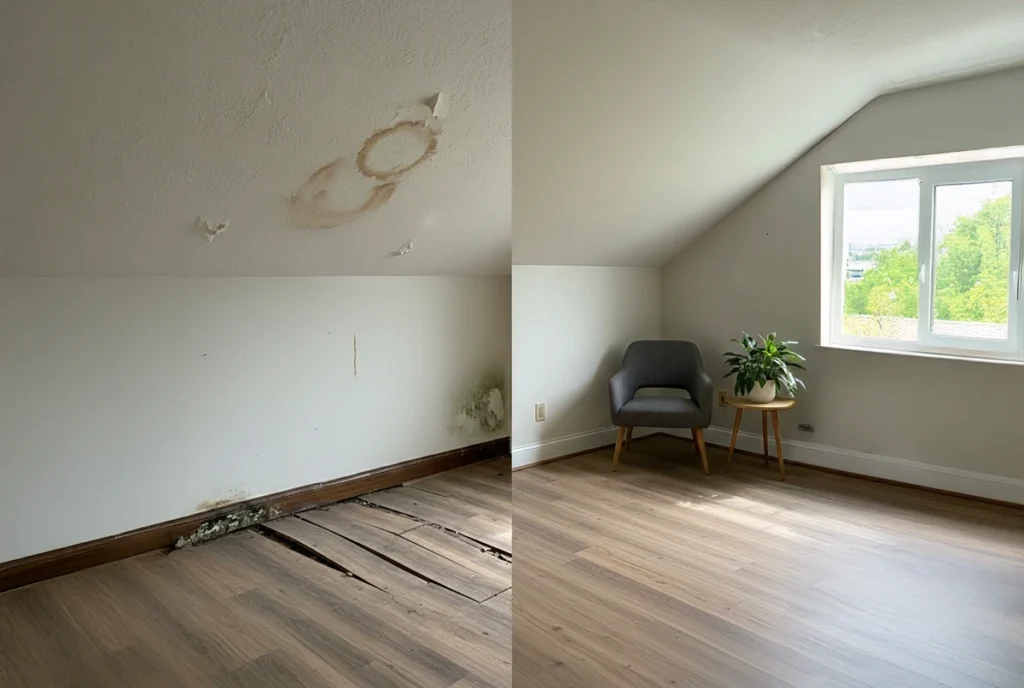
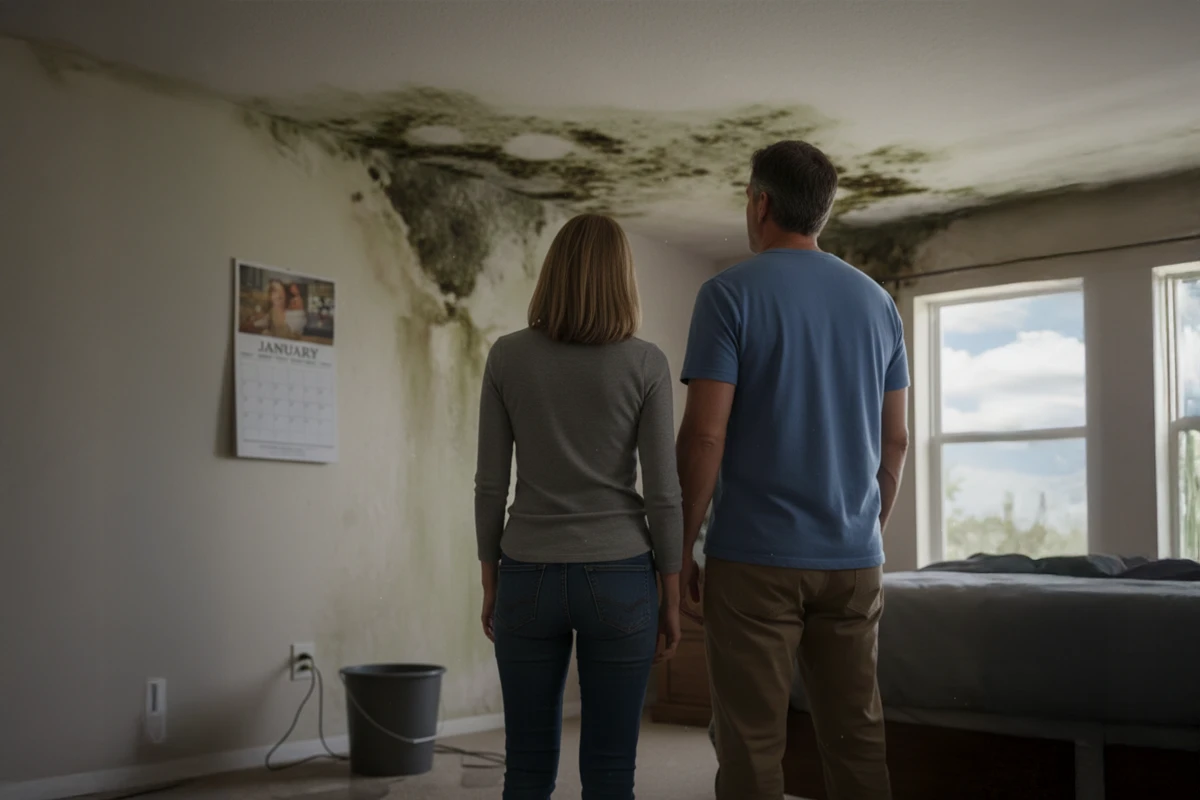
Mold problems in Florida are rarely random. They are usually the result of ongoing moisture issues such as:
- High indoor humidity
- Roof leaks after storms or hurricanes
- Plumbing leaks behind walls
- Flooding or water intrusion
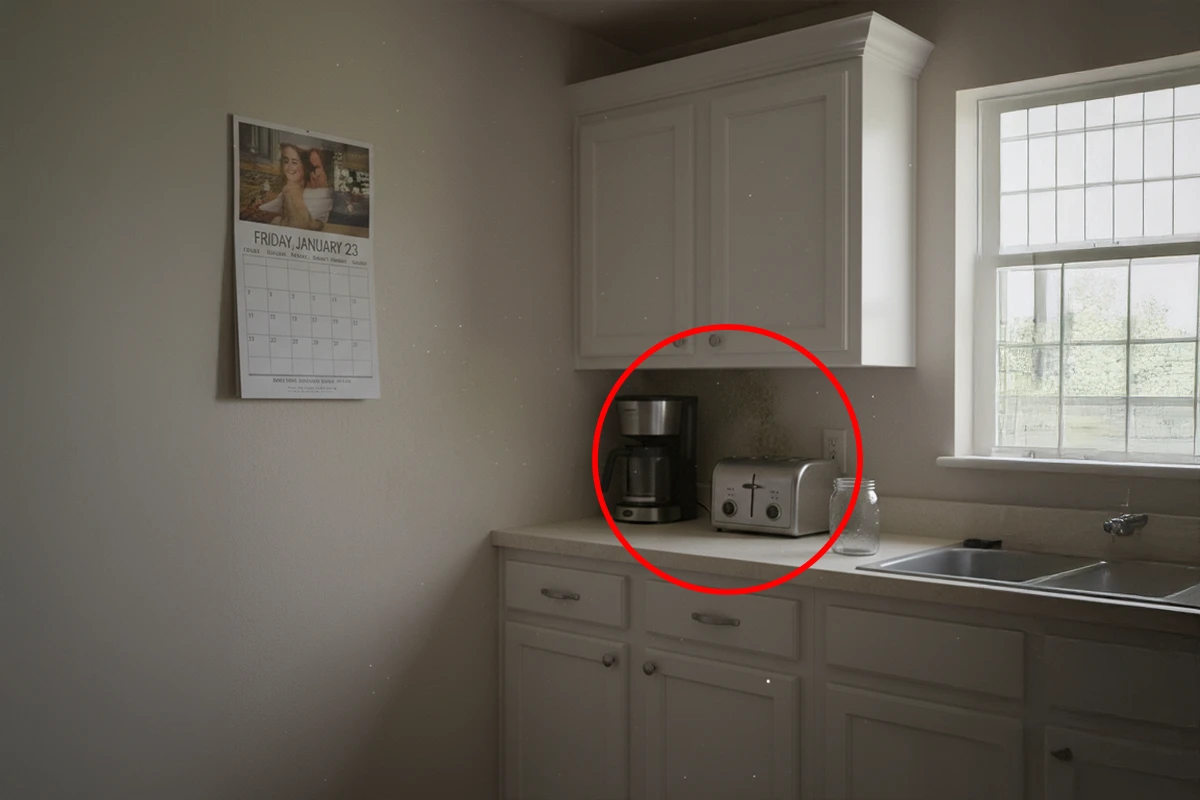
- Poor ventilation in bathrooms and kitchens
According to the Environmental Protection Agency (EPA), controlling moisture is the most effective way to prevent mold growth.
Is Mold Covered by Insurance in Florida?
In general, home insurance may cover mold damage only if it results from a sudden and accidental covered peril.
Mold Is Usually Covered When Caused By:
- Sudden pipe bursts
- Accidental appliance leaks
- Storm-related roof damage
- Water damage that was promptly addressed
Mold Is Usually NOT Covered When Caused By:
- Long-term leaks
- High humidity or lack of maintenance
- Flooding (requires separate flood insurance)
- Wear and tear
Insurance companies often deny claims if they determine the mold resulted from neglect or unresolved moisture problems.
How Florida Insurance Policies Typically Treat Mold Claims
Many Florida insurance policies include mold coverage limits, often capped between $10,000 and $25,000 — even if the total damage exceeds that amount.
Homeowners should review:
- Mold sub-limits
- Exclusions related to humidity
- Time limits for reporting water damage
The Florida Office of Insurance Regulation provides guidance on homeowner policies and claim disputes.
The Role of Moisture in Mold Insurance Claims
Insurance adjusters focus heavily on the source of moisture. If mold is linked to unresolved moisture issues, coverage becomes unlikely.
This is why early detection matters. Learning how to detect moisture problems and addressing them quickly strengthens any future insurance claim.
You can also reference guidance from the Centers for Disease Control and Prevention (CDC) on mold and moisture-related health risks.
Common Reasons Mold Claims Are Denied in Florida
Mold claims are often denied due to:
- Delayed reporting of water damage
- Failure to repair leaks promptly
- Pre-existing mold issues
- Lack of documentation
- Damage caused by flooding without flood insurance
Taking photos, saving repair records, and acting immediately can protect homeowners if a claim becomes necessary.
What To Do If You Discover Mold in Your Florida Home
If mold is found, homeowners should:
- Identify the source of moisture
- Stop water intrusion immediately
- Document damage with photos and videos
- Contact their insurance provider
- Consult professionals for repairs and restoration
Ignoring mold rarely improves the situation — it usually makes it more expensive.
Is Mold Covered by Insurance in Florida? What Homeowners Need to Know
How Mold Damage Can Affect Your Home’s Value
Beyond health concerns, mold can:
- Reduce resale value
- Delay property transactions
- Trigger inspection failures
- Require major renovations
This is especially important for homeowners preparing to sell or refinance.
How Cipriano Helps After Mold and Water Damage
At Cipriano Improvements, mold-related issues are addressed through a complete renovation-focused approach, not surface fixes.
Services often include:
- Drywall removal and replacement
- Bathroom and kitchen remodeling
- Ventilation improvements
- Structural repairs after water damage
- Full home renovations
By correcting the root cause, homeowners avoid repeated mold problems.
You can learn more about renovation solutions at Cipriano Improvements.
Common Mistakes Homeowners Make With Mold and Insurance
Many issues escalate because homeowners:
- Clean visible mold without fixing moisture sources
- Delay insurance notifications
- Assume all mold is covered
- Skip professional evaluations
Being proactive saves time, money, and stress.
FAQs About Mold Insurance Coverage in Florida
Is mold covered by insurance in Florida homes?
Only when caused by a covered peril and addressed promptly.
Does homeowners insurance cover mold from humidity?
Usually no, as humidity-related mold is considered preventable.
How fast does mold develop after water damage?
Mold can begin growing within 24–48 hours.
Should I file an insurance claim for mold?
It depends on the cause, extent of damage, and policy coverage.
Conclusion: Is Mold Covered by Insurance in Florida?
So, is mold covered by insurance in Florida? Sometimes — but only under specific conditions. Mold coverage depends on the source of moisture, the homeowner’s response time, and policy details.
Understanding these factors helps homeowners make informed decisions and avoid costly surprises.
If your home has experienced water damage or mold-related issues, consulting experienced renovation professionals can help you restore your property properly and prevent future problems.