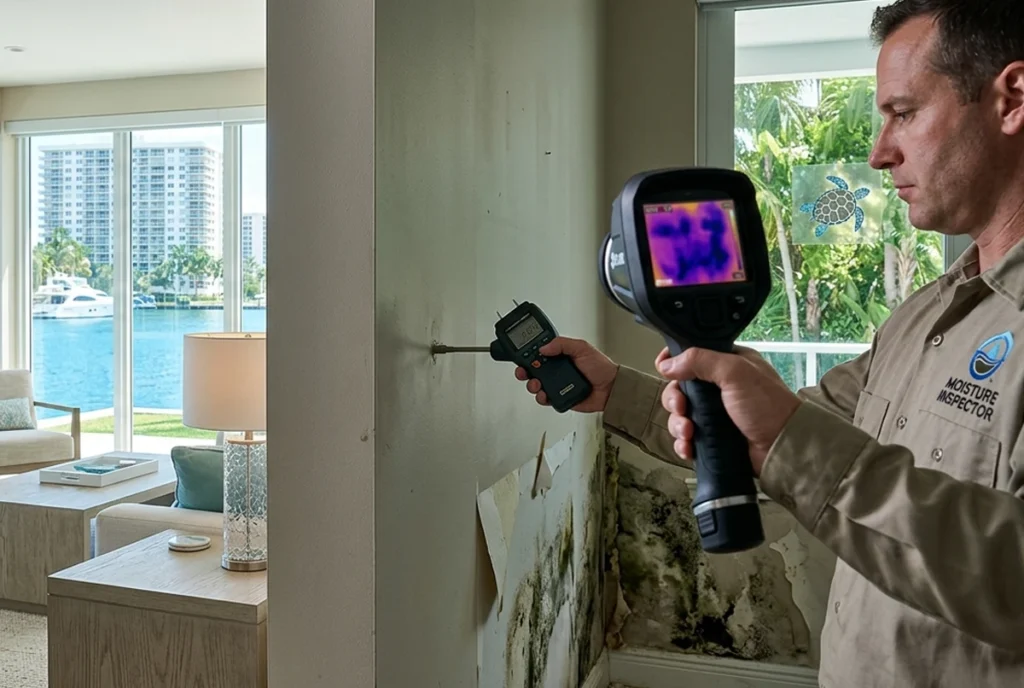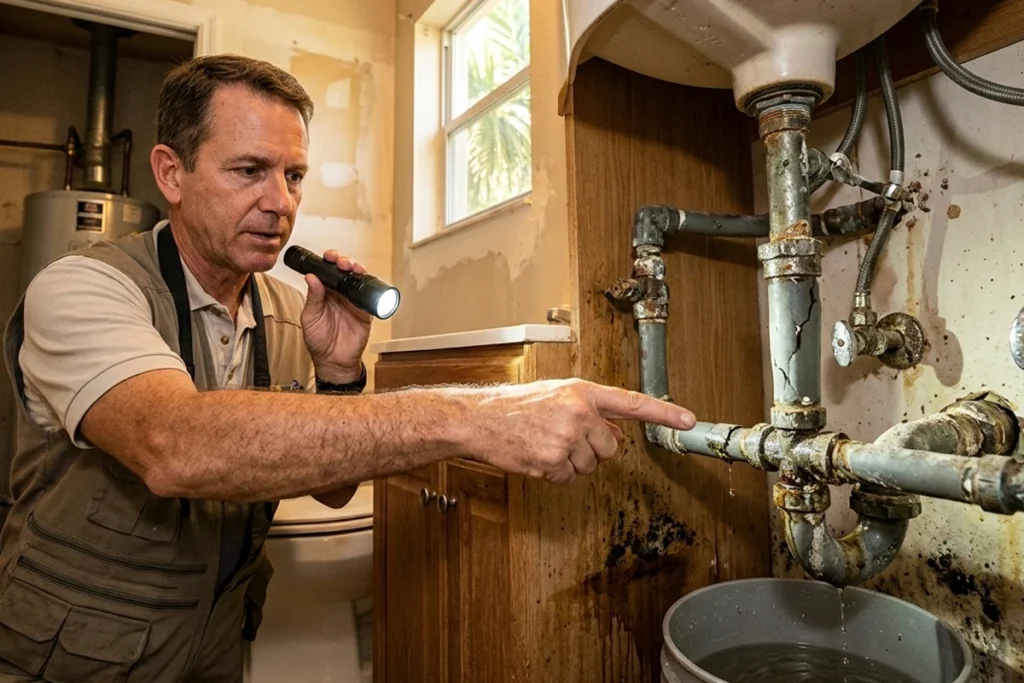
Mold in Florida homes is far more common than many homeowners realize. The state’s warm climate, high humidity levels, and frequent rain create the perfect conditions for mold growth. In many cases, mold develops quietly behind walls, under flooring, or in poorly ventilated spaces long before it becomes visible.
Ignoring mold is a mistake. Beyond affecting indoor air quality, mold can damage building materials and reduce a property’s value. Knowing how to identify early warning signs and address the root causes is essential for protecting both your home and your health.
Why Mold Is So Common in Florida Homes
Florida’s environment makes mold growth difficult to avoid without proper prevention. Some of the most common contributing factors include:
- High humidity throughout most of the year
- Poor ventilation in bathrooms, kitchens, and attics
- Roof leaks and plumbing issues
- Storm damage and flooding
- Condensation from air conditioning systems
Without moisture control, mold can begin forming in as little as 24 to 48 hours.
Warning Signs of Mold in Florida Houses
Visible Signs
Some mold problems are easy to spot, including:
- Dark or discolored patches on walls and ceilings
- Peeling paint or bubbling drywall
- Mold growth around vents, windows, or tiles
Hidden Signs
Other indicators are less obvious but just as important:
- Persistent musty odors
- Allergy-like symptoms that worsen indoors
- Water stains without an obvious source
Hidden mold is often discovered only after an inspection or renovation.
Health Risks Associated With Mold Exposure
Mold exposure can affect people differently, but common health concerns include:
- Respiratory irritation
- Worsening asthma or allergies
- Skin and eye irritation
- Headaches and chronic fatigue
Children, elderly individuals, and those with respiratory conditions are particularly vulnerable. While mold is not always dangerous, prolonged exposure should never be ignored, especially when symptoms persist or worsen over time. Even low levels of mold can contribute to ongoing discomfort and reduced indoor air quality if moisture issues remain unresolved.
Addressing mold early helps protect the health of occupants and prevents minor issues from developing into more serious environmental or structural problems within the home.
How Mold Affects Your Home’s Structure and Value
Beyond health concerns, mold can cause serious damage to a home’s structure. When moisture penetrates walls, ceilings, or floors, mold feeds on organic materials such as drywall, wood framing, and insulation.
Over time, this can lead to:
- Weakened drywall and crumbling surfaces
- Deterioration of wood framing
- Persistent odors that are difficult to remove
- Lower property value and inspection red flags
In Florida’s real estate market, mold issues often raise concerns during inspections and can delay or even derail transactions if not addressed properly.
Common Areas Where Mold Appears in Florida Homes
Mold growth tends to concentrate in areas where moisture is present or ventilation is limited, including:
- Bathrooms and showers
- Kitchens and under sinks
- Attics with poor airflow
- Laundry rooms
- Behind walls affected by leaks
- Areas impacted by past flooding or storms
Identifying these high-risk areas early makes prevention and remediation far easier.
Mold Removal vs. Mold Remediation: What’s the Difference?
| Mold Removal | Mold Remediation |
|---|---|
| Focuses on visible mold | Addresses the root cause |
| Temporary solution | Long-term prevention |
| Does not control moisture | Fixes humidity and leaks |
| Mold may return | Reduces recurrence risk |
Simply removing visible mold without addressing moisture problems often leads to recurring issues. Proper remediation focuses on eliminating both the mold and the conditions that allow it to grow.
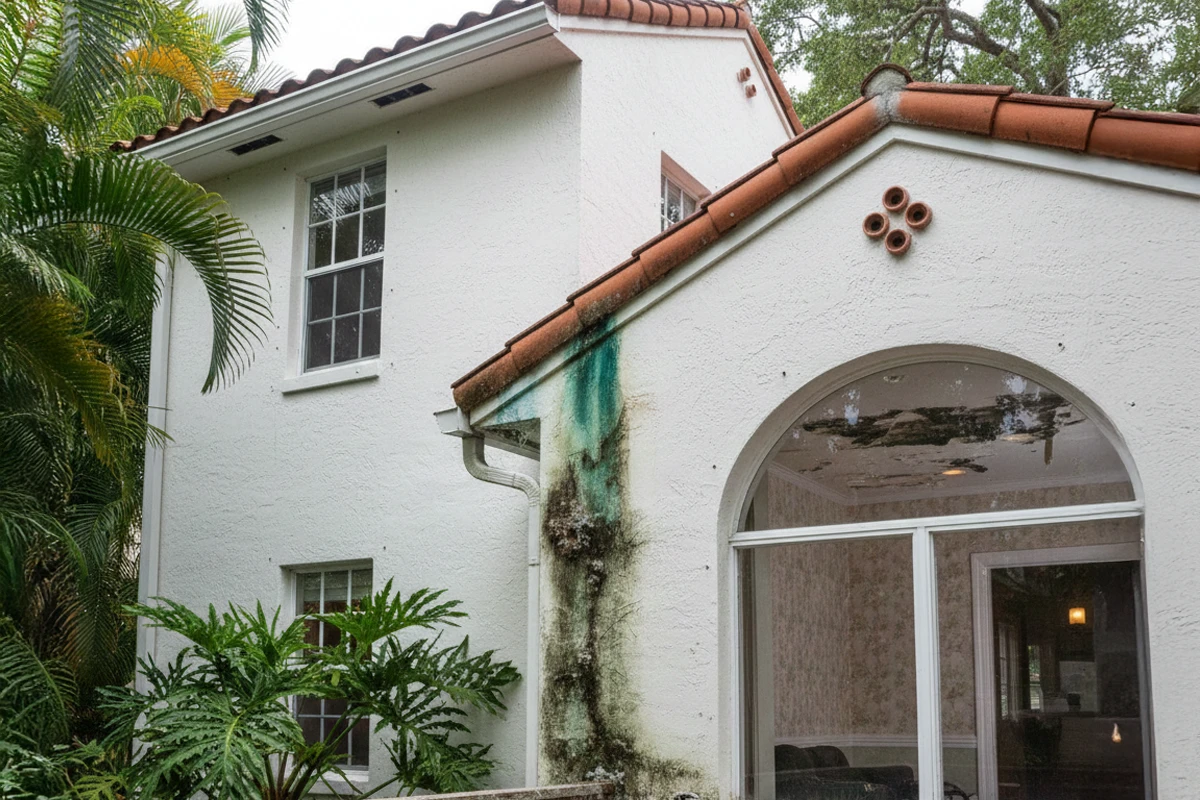
Mold in Florida Homes: Warning Signs, Health Risks, and Solutions
How to Prevent Mold in Florida Homes
Preventing mold requires consistent moisture control and regular maintenance. Homeowners can reduce risk by:
- Keeping indoor humidity levels under control
- Repairing leaks immediately
- Improving ventilation in bathrooms and kitchens
- Using proper insulation and moisture-resistant materials
- Scheduling regular home inspections
Preventive steps are far less expensive than repairing widespread mold damage.
When Mold Requires Professional Intervention
Some situations call for professional evaluation and repair, including:
- Mold that keeps returning after cleaning
- Large affected areas
- Mold following storm or flood damage
- Structural deterioration or persistent health symptoms
In these cases, addressing only surface-level mold is rarely enough.
Florida Mold Regulations and Safety Standards
Homeowners can learn more about mold safety and health considerations through trusted sources such as the U.S. Environmental Protection Agency (EPA), the Centers for Disease Control and Prevention (CDC), and the Florida Department of Health. These organizations provide guidance on mold exposure, cleanup recommendations, and moisture control best practices.
Understanding official guidelines helps homeowners make informed decisions and avoid unsafe remediation methods.
How Cipriano Helps Resolve Mold-Related Issues
Mold problems often indicate deeper issues within a home. Water intrusion, ventilation problems, or outdated materials frequently require coordinated repairs beyond simple cleanup.
Working with experienced home remodeling contractors in Florida allows homeowners to address moisture-related damage, replace affected drywall, improve ventilation, and restore interior spaces. Services such as bathroom remodeling, kitchen renovations, and full home renovations in Florida are often part of long-term mold prevention solutions.
Rather than treating mold as an isolated problem, a comprehensive approach ensures lasting results.
Common Mistakes Homeowners Make With Mold Problems
- Cleaning mold without fixing the moisture source
- Ignoring hidden areas behind walls or under floors
- Delaying professional evaluation
- Using improper materials that trap moisture
Avoiding these mistakes can prevent recurring mold and unnecessary expenses.
Frequently Asked Questions About Mold in Florida Homes
Is mold common in Florida homes?
Yes. Florida’s humidity and climate make mold a frequent issue, especially in poorly ventilated areas.
Can mold return after removal?
Yes, if the underlying moisture problem is not resolved.
Does insurance cover mold damage in Florida?
Coverage varies by policy and cause of damage. Mold related to sudden water events may be covered, while long-term moisture issues often are not.
How long does mold remediation take?
The timeline depends on the extent of damage, but many projects take several days to complete.
Conclusion About Mold in Florida Homes
Mold in Florida homes is a serious issue that affects health, structural integrity, and property value. Early detection, proper moisture control, and professional solutions are key to preventing long-term damage. By understanding warning signs and addressing the root causes, homeowners can protect their investment and maintain a safe living environment.
If you suspect mold or moisture issues in your home, scheduling a professional evaluation can help you understand the scope of the problem and plan the right solution before damage escalates.