Mold prevention is not just a maintenance issue in Florida rental properties—it’s a business decision. High humidity, frequent storms, and periods of vacancy make investment homes especially vulnerable to mold growth. Understanding and applying effective mold prevention tips for Florida rental properties and investment homes helps protect property value, reduce legal risk, and avoid costly remediation.
This guide explains why mold is such a common problem in rentals, how landlords can prevent it, and when professional remodeling or construction solutions are the smartest move.
Why Mold Is a Major Risk for Florida Rental Properties
Florida’s climate creates ideal conditions for mold, but rental and investment homes face additional challenges.
Florida Climate + Rental Use = Higher Risk
Common factors include:
- Units sitting vacant with HVAC turned off
- Tenants using air conditioning inconsistently
- Humidity trapped in closed spaces
According to the EPA, mold can begin growing within 24–48 hours when moisture is present.
Legal and Financial Impact for Landlords
Mold problems can lead to:
- Tenant complaints and early move-outs
- Health-related claims
- Expensive remediation between leases
- Reduced resale value
For investors, mold issues directly affect ROI and long-term asset performance.
Common Mold Triggers in Florida Investment Homes
Many mold problems start small and go unnoticed.
Typical triggers include:
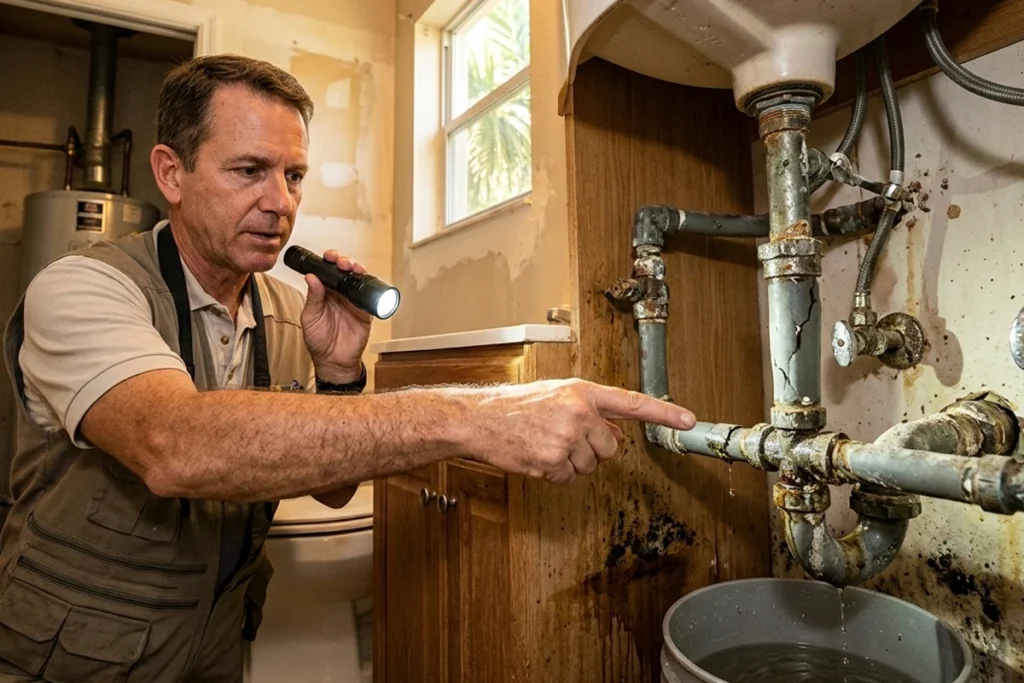
- Minor plumbing leaks
- Poor bathroom ventilation
- Roof damage after storms
- Deteriorated window seals
- Condensation from poorly maintained HVAC systems
These issues are especially common in older Florida homes and multifamily properties.
Mold Prevention Tips for Florida Rental Properties and Investment Homes
Control Moisture at All Times
Moisture control is the foundation of mold prevention.
Best practices include:
- Keeping indoor humidity between 30% and 50%
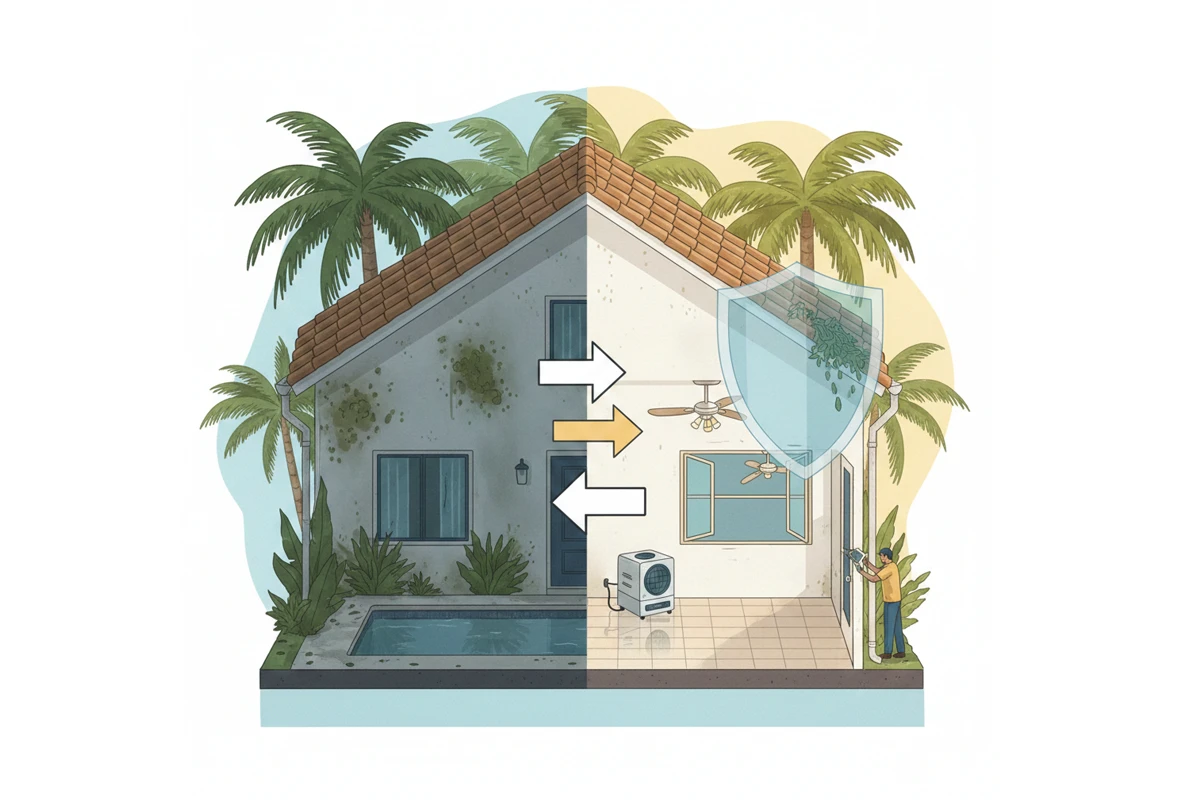
- Using dehumidifiers in high-risk areas
- Running HVAC systems even during vacancies
The CDC emphasizes moisture control as the most effective mold prevention strategy.
Improve Ventilation Throughout the Property
Ventilation reduces condensation and stale air.
Focus on:
- Bathroom exhaust fans
- Kitchen ventilation
- Laundry areas
- Attics and crawl spaces
Simple upgrades can significantly reduce long-term risk.
Property Maintenance Checklist for Landlords
Consistent maintenance prevents mold before it starts.
| Area | Action | Frequency |
|---|---|---|
| HVAC | Service & filter replacement | Quarterly |
| Roof | Visual inspection | Twice per year |
| Plumbing | Leak checks | Quarterly |
| Bathrooms | Fan inspection | Monthly |
| Vacant units | Humidity monitoring | Weekly |
This checklist helps landlords stay proactive instead of reactive.
Remodeling Upgrades That Help Prevent Mold Long-Term
For many investment properties, basic maintenance is not enough. Strategic remodeling plays a major role in mold prevention.
Effective upgrades include:
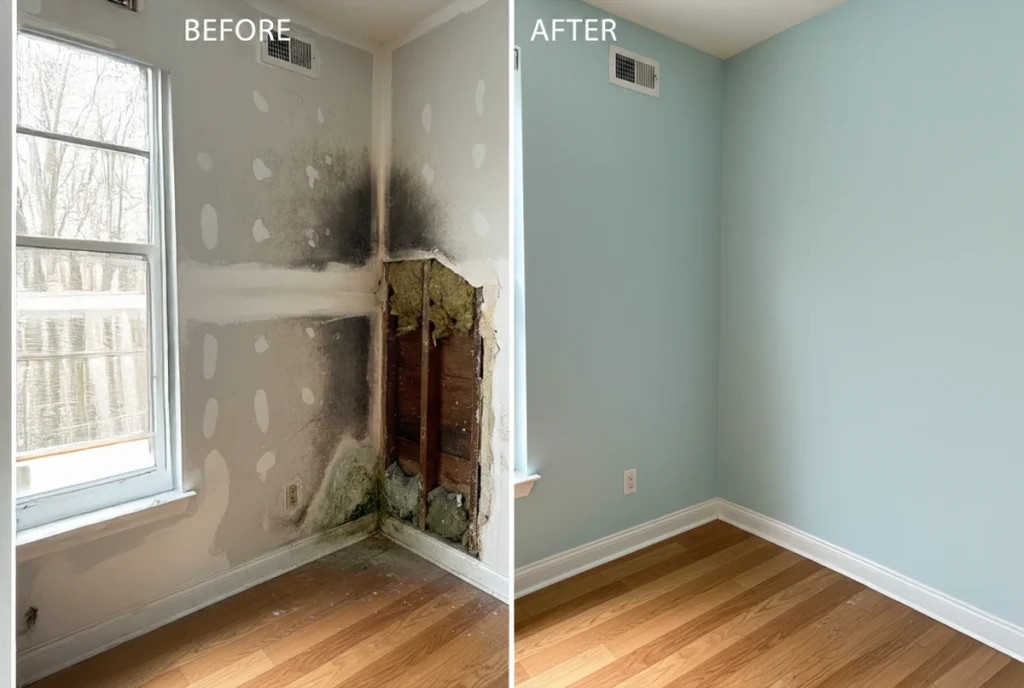
- Moisture-resistant drywall
- Mold-resistant paints and coatings
- Flooring designed for humid climates
- Proper sealing around windows and doors
These improvements are often part of post-remediation strategies discussed in How to Prevent Mold Growth After Remediation in Florida Homes.
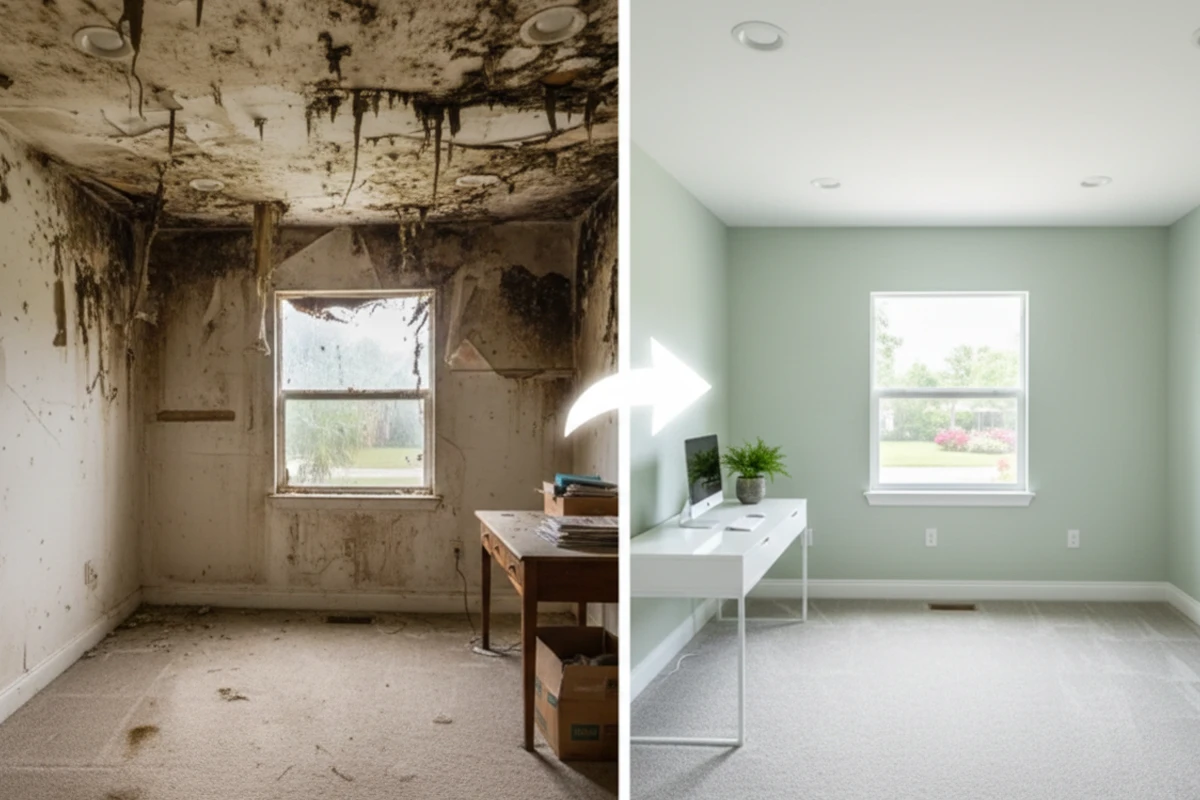
Mold Prevention Tips for Florida Rental Properties and Investment Homes
Mold Prevention During Tenant Turnover
Tenant turnover is a critical moment for prevention.
Landlords should:
- Inspect for moisture and staining
- Address small leaks immediately
- Deep clean bathrooms and kitchens
- Verify ventilation systems are functioning
Skipping this step often leads to mold issues early in the next lease.
When Mold Prevention Requires Construction Solutions
Some properties experience recurring mold despite maintenance.
This usually indicates:
- Structural moisture intrusion
- Poor building envelope design
- Outdated materials
In these cases, construction-level solutions may be required, similar to those outlined in Mold Remediation Cost in Florida: What Homeowners Should Expect.
ROI: Why Mold Prevention Protects Investment Value
From an investor perspective, mold prevention delivers measurable benefits:
- Fewer vacancies
- Lower remediation expenses
- Reduced legal exposure
- Higher resale and rental value
Preventive investments cost less than repeated remediation cycles.
FAQ – Mold Prevention for Florida Rental Properties
Who is responsible for mold prevention in Florida rentals?
Landlords are generally responsible for maintaining habitable conditions.
How often should landlords inspect for mold?
At least twice per year, and between tenant turnovers.
Can mold reduce property value?
Yes. Documented mold issues often lower appraisals and buyer confidence.
What humidity level should rental properties maintain?
Ideally below 50% year-round.
Conclusion About Mold Prevention Tips
Applying proven mold prevention tips for Florida rental properties and investment homes is essential for protecting both tenants and long-term returns. In Florida’s climate, prevention is not optional—it’s part of responsible property ownership. Strategic maintenance, smart remodeling, and early intervention help investors avoid costly surprises and preserve property value.
Ready to Protect Your Multifamily Property From Mold?
Applying the right Mold Prevention Tips is the most effective way to protect multifamily properties in Florida from costly mold problems. However, every building is different, and long-term prevention often requires professional evaluation, targeted improvements, and ongoing maintenance strategies.
If you want expert guidance tailored to your property, the Cipriano team can help assess moisture risks, recommend preventive upgrades, and implement solutions designed for Florida’s climate. Contact Cipriano today to discuss how to protect your investment, reduce risk, and maintain healthy living environments for your tenants.