A pool is the centerpiece of a South Florida backyard, but the deck around it takes a beating from sun, chlorine, and constant foot traffic. When that surface cracks, fades, or turns slippery, pool deck resurfacing in Fort Lauderdale restores both safety and looks without the cost and disruption of tearing everything out. Resurfacing gives you a fresh, modern surface — and a chance to upgrade materials — at a fraction of a full rebuild. This guide walks through the options, what drives the cost, and how to choose the right finish, whether you work with Cipriano Improvements or plan the project yourself.
Signs Your Pool Deck Needs Resurfacing
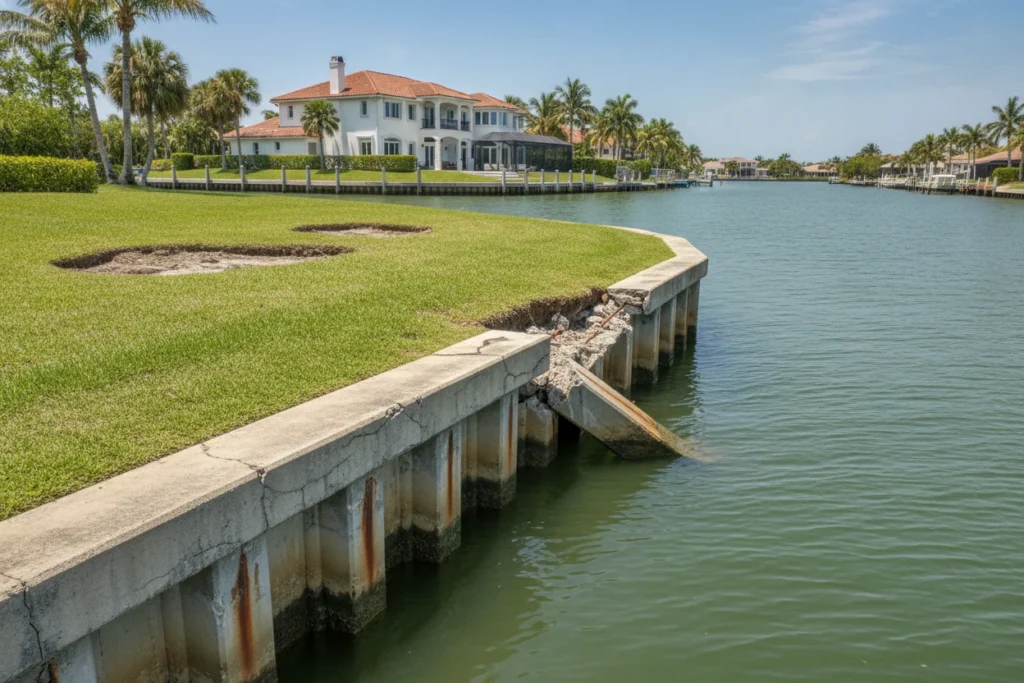
A pool deck rarely fails all at once. Watch for cracking and spalling in the concrete, fading or staining, surfaces that have become slippery when wet, and areas that have heaved or settled unevenly. Beyond looks, these are safety issues — a slick or uneven deck around a pool is a real hazard. Catching the wear early often means you can resurface rather than replace.
Pool Deck Resurfacing Options in Fort Lauderdale
Resurfacing covers a range of finishes, each with its own look, feel, and price point:
| Option | Look & feel | Notes |
|---|---|---|
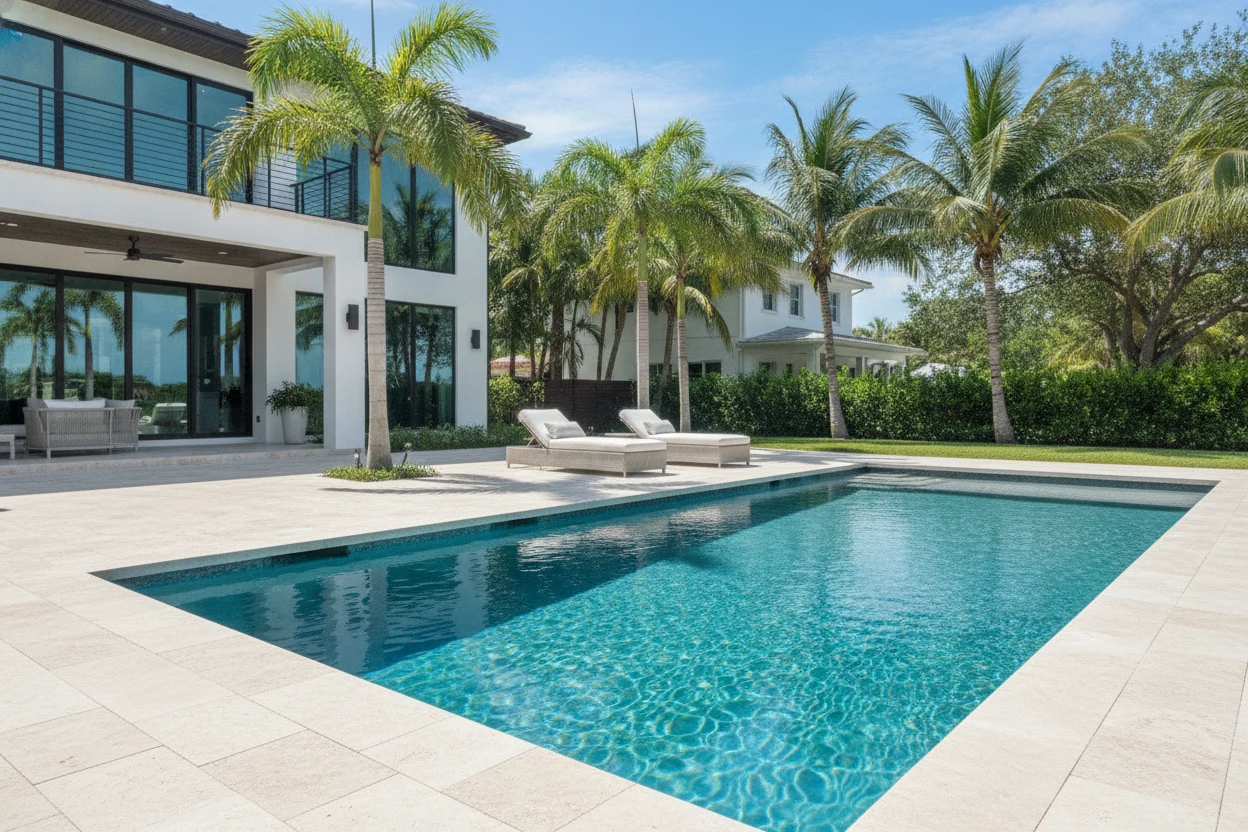
| Travertine pavers | Natural, cool underfoot | Premium, stays cooler in sun |
| Concrete pavers | Versatile, modular | Easy to repair individual units |
| Stamped/overlay concrete | Custom patterns | Cost-effective refresh over sound concrete |
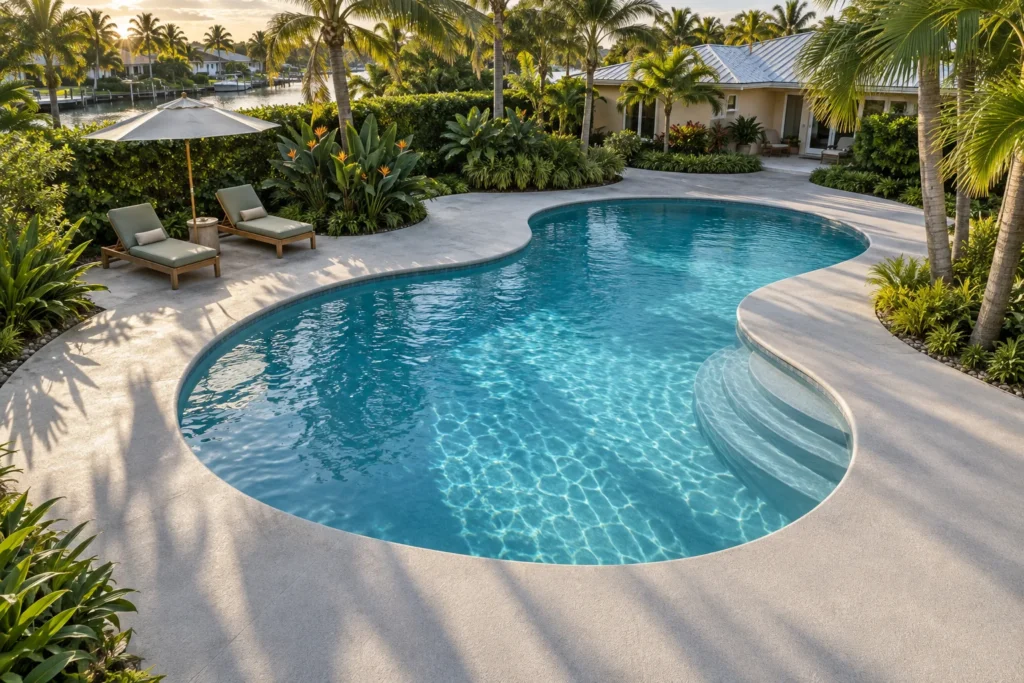
| Textured coatings | Slip-resistant, colorful | Fast to apply, budget-friendly |
What Drives Pool Deck Resurfacing Cost
Like most exterior work, cost depends on the details of your project rather than a flat rate. The biggest drivers are:
- Deck size — more square footage means more material and labor.
- Material choice — travertine and premium pavers cost more than coatings.
- Condition of the base — a sound slab resurfaces easily; a damaged one needs prep or repair first.
- Access and complexity — curves, steps, and tight yards add labor.
Safety and Heat: Florida-Specific Priorities
Two things matter more in Fort Lauderdale than almost anywhere: slip resistance and heat. A pool deck should be textured enough to be safe when wet, and light or cool enough to walk on barefoot in summer — travertine and lighter finishes excel here. Prioritizing both when you choose a finish means your new deck is not just attractive but comfortable and safe to use all season.
Build it safe: Exterior and pool work should meet the Florida Building Code, and safe deck design supports the guidance in the CDC’s Healthy Swimming resources — slip-resistant surfaces around a pool reduce injury risk.
Conclusion: A Fresh Deck Without a Full Rebuild
Pool deck resurfacing in Fort Lauderdale is one of the highest-impact, lowest-disruption upgrades a backyard can get — restoring safety and looks while letting you modernize the material. The right finish balances style, slip resistance, and heat for the way you actually use the space. If you’re planning a broader backyard project, resurfacing pairs naturally with pool remodeling, and the Cipriano Constructions team can help you scope it end to end.
Frequently Asked Questions
Is resurfacing cheaper than replacing a pool deck?
Usually, yes — if the base slab is sound. Resurfacing refreshes the surface without demolishing and rebuilding the entire deck, which saves both money and time compared with a full replacement.
What is the coolest pool deck material for Florida sun?
Travertine and lighter-colored pavers or coatings tend to stay cooler underfoot than dark concrete. Choosing a light, textured finish keeps the deck comfortable for bare feet even in peak summer heat.
How long does a resurfaced pool deck last?
It depends on the material and how well the base was prepared, but a quality resurfacing over a sound slab can last many years. Proper prep and drainage are what determine longevity more than the finish alone.
Can I make my pool deck less slippery?
Yes. Textured coatings, travertine, and certain paver finishes add slip resistance, which is a major reason many homeowners resurface. Choosing a slip-resistant surface is one of the most valuable safety upgrades around a pool.